The Future of Car Lighting is Getting a Major Glow-Up
You know how your car’s headlights and taillights have always been white or amber? That’s been the rule for decades. But things are about to change in a big way. A new standard from the Society of Automotive Engineers (SAE) is paving the way for blue-green lights on cars that can drive themselves. This could be a game-changer for how we interact with autonomous vehicles on the road.
What Exactly Is This New Standard?
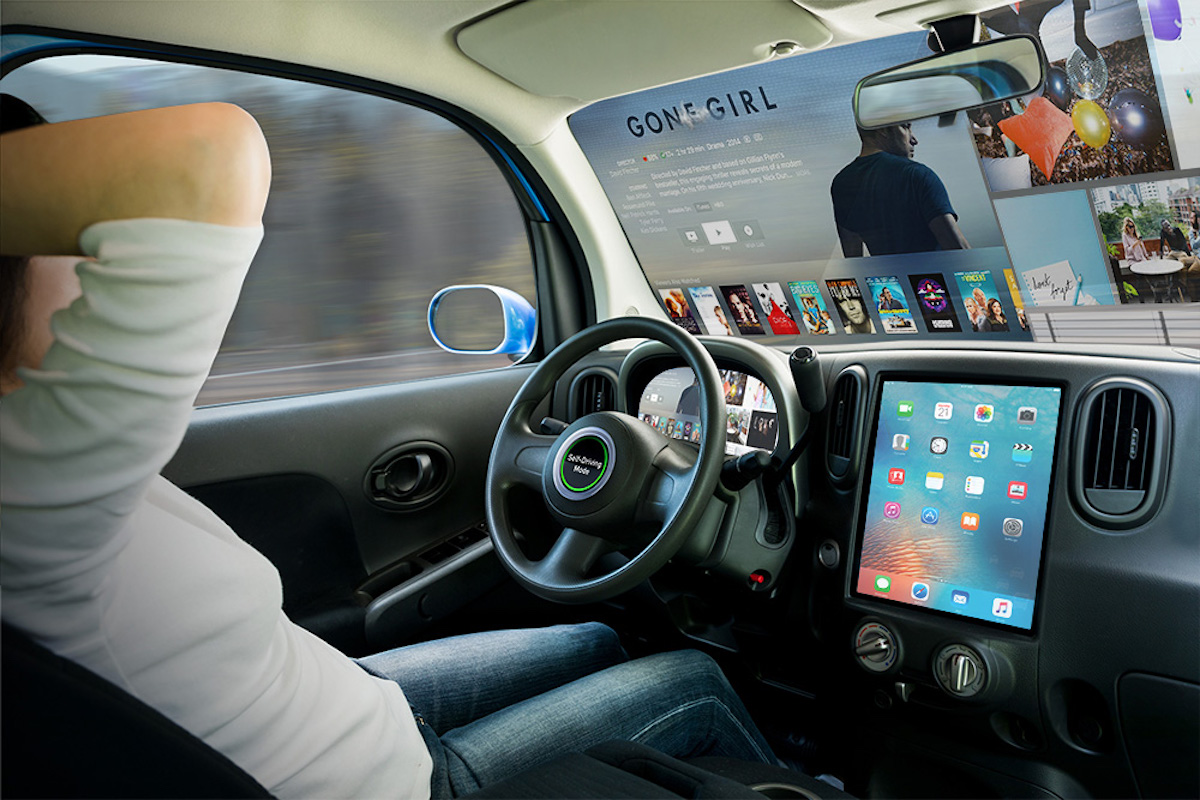
The SAE just approved a new guideline called J3134_202512, which is all about how self-driving cars should signal their status to other drivers and pedestrians. Think of it like a universal language for cars that don’t need a human behind the wheel. Right now, most cars use white or amber lights to communicate. But this new standard allows for blue-green lighting, which will help people recognize when a car is operating in autonomous mode.
This isn’t just about looking cool—it’s about safety. When a car is driving itself, the person inside might not be able to make eye contact or signal to others. That’s where these blue-green lights come in. They’ll let everyone know that the car is handling the driving, so people can adjust their behavior accordingly.
Why Blue-Green? What’s the Big Deal?
Blue-green lighting isn’t something you’ll see on every car right away. It’s specifically meant for vehicles that have autonomous driving systems. The color is chosen because it’s distinct from the traditional amber and white, making it easier for drivers and pedestrians to spot.
Mercedes has been one of the early adopters of this idea. They’ve been testing blue-green lights on their high-end models like the S-Class and EQS. These lights appear on the front, sides, and rear of the car, helping to clearly mark when the vehicle is in autonomous mode. Cadillac has also shown off similar lighting as part of its future hands-free tech plans.
How Will This Work in Practice?
Here’s the thing: blue-green lighting isn’t going to replace the existing white and amber lights. Instead, it will be added to them. Most modern cars already use LED technology, which makes it easy to incorporate new colors without major overhauls. However, getting that blue-green glow requires a different kind of light chip—specifically, an indium-gallium-nitride (InGaN) unit that emits light at around 500nm.
This means the cost of adding these lights to new cars should be minimal. Manufacturers can build on existing systems, making the transition smooth and affordable.
Is This the Law Now?

Nope, not yet. The SAE standard is voluntary, meaning automakers can choose whether to adopt it or not. The National Highway Traffic Safety Administration (NHTSA) could eventually add blue-green lights to the list of approved colors, but that’s still up in the air. For now, it’s more of a suggestion than a requirement.
That said, if enough companies start using these lights, the NHTSA might feel pressured to update its rules. And when that happens, we could see a whole lot more blue-green lights on the road.
What Does This Mean for You?
If you’re a driver, this could help you better understand what a car is doing. If you see a blue-green light, you’ll know the driver isn’t in control. That could make for safer interactions on the road, especially in busy areas where autonomous cars are becoming more common.
For now, it’s just the beginning. But as more cars roll out with these lights, we may soon be used to seeing a new kind of glow on the road—blue-green, and full of promise.