Rivian Unveils Groundbreaking AI Assistant for Electric Vehicles in 2026
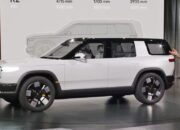
Rivian is set to launch its own AI assistant in early 2026, marking a significant milestone in the company’s journey toward greater technological integration. This innovative feature will not be limited to new models but will also be available for all existing EVs in its lineup, including the R1T truck and R1S SUV.
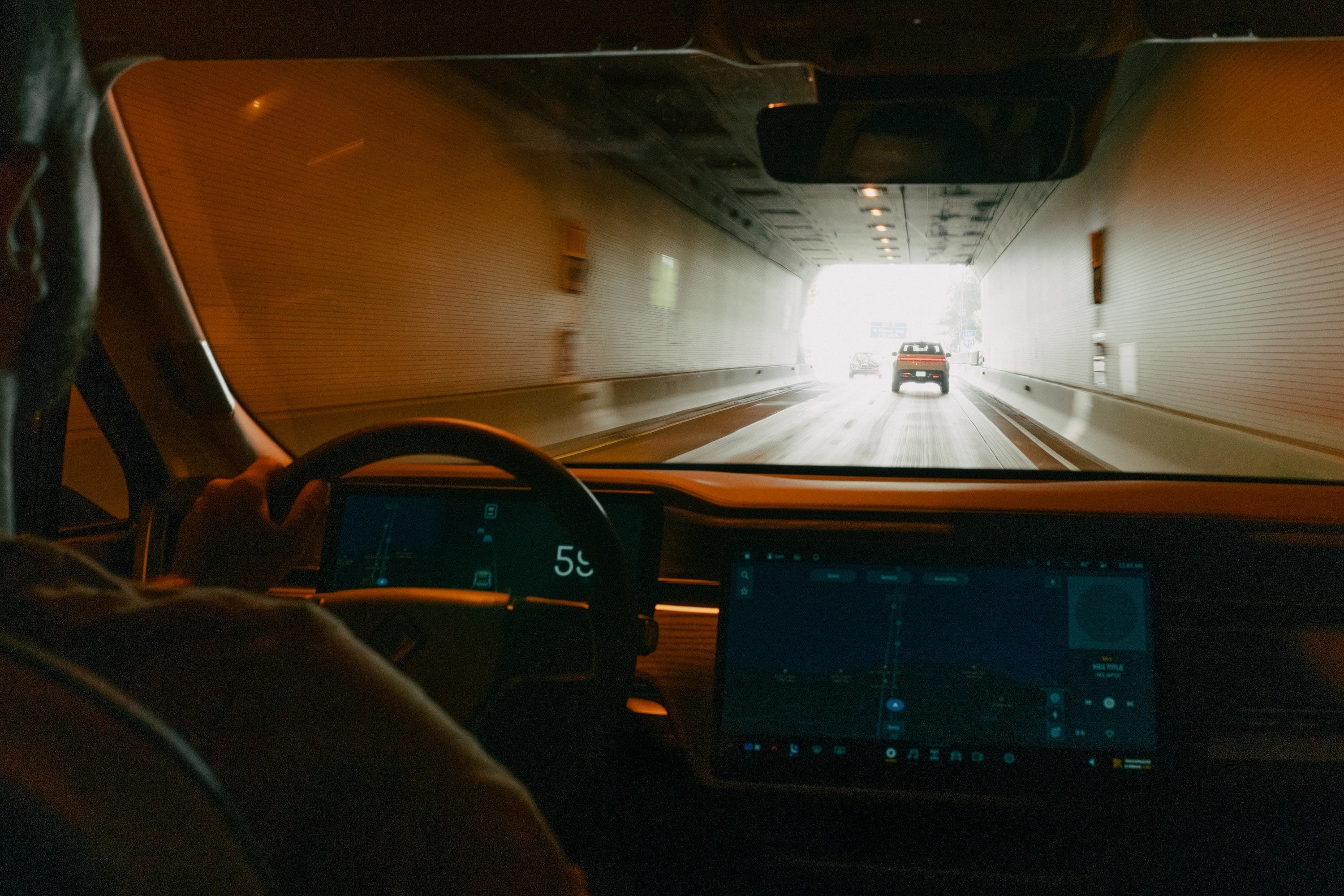
Drivers and passengers will have access to a range of functions through the AI assistant, from managing climate controls to handling tasks within the vehicle’s infotainment system. The assistant will also connect with third-party apps via an agentic framework developed by Rivian engineers. Google Calendar will be the first such app to integrate with the AI assistant, showcasing the potential for future app integrations.
The AI assistant is designed to be model and platform agnostic, allowing it to work seamlessly with various large language models, including Google Vertex AI and Gemini. This approach ensures that the assistant can provide natural conversation, grounded data, and advanced reasoning capabilities.

At the AI & Autonomy event in Palo Alto, California, Rivian’s software development chief, Wassym Bensaid, emphasized the transformative potential of this technology. “The beauty here is we can integrate third-party agents, and this is completely redefining how apps in the future will integrate in our cars,” he said.
Beyond the AI assistant, Rivian has been working on expanding its hands-free driving assistance system. This includes the development of custom hardware, such as a 5nm processor built in collaboration with Arm and TSMC, which will enhance the vehicle’s autonomous capabilities.
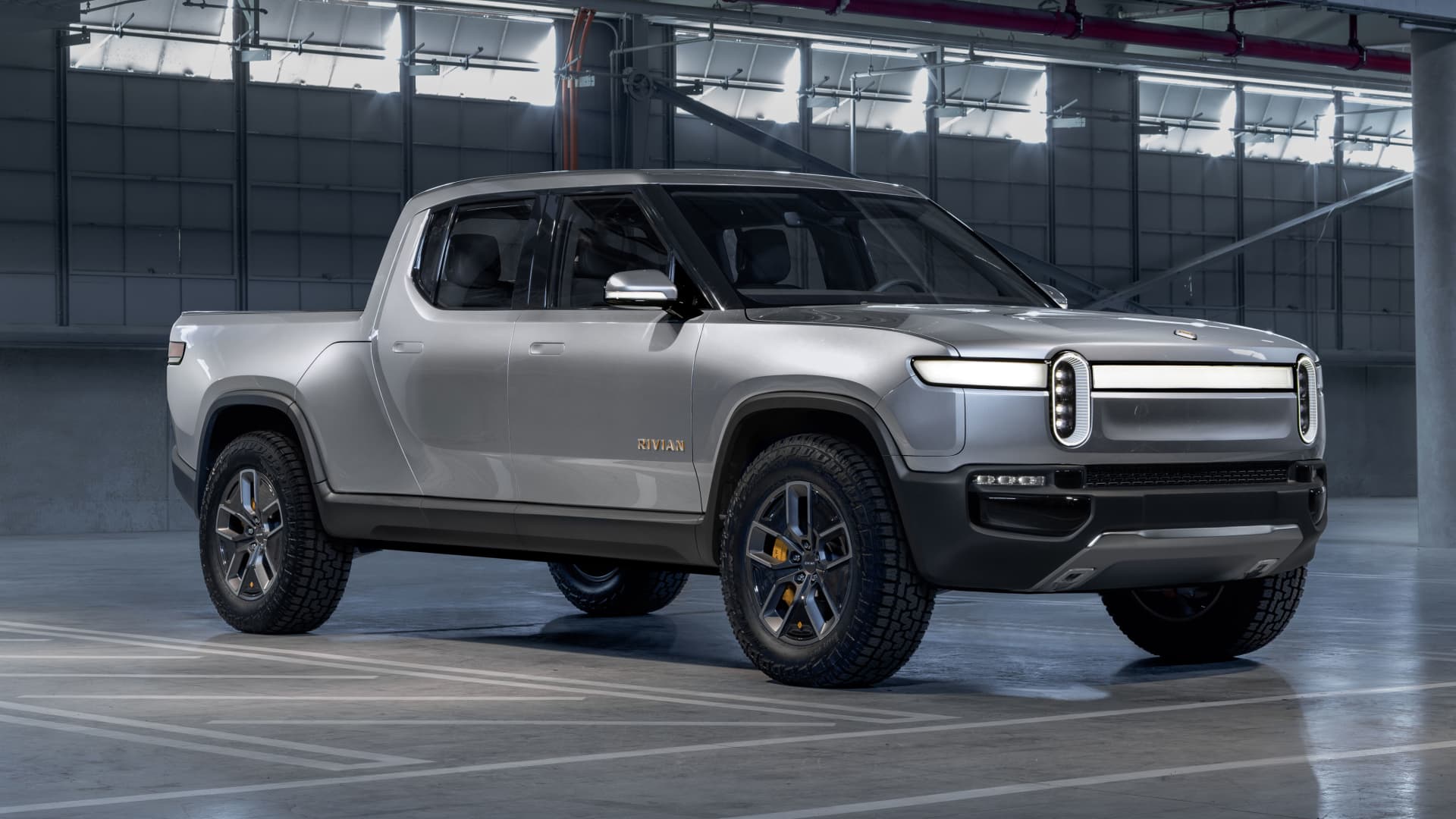
The company’s commitment to vertical integration has been evident for years. In 2024, Rivian completely overhauled the R1T truck and R1S SUV, updating everything from the battery pack and suspension system to the electrical architecture and software user interface.
Bensaid highlighted that the AI assistant project was led by a smaller team focused on building a model- and platform-agnostic architecture. This approach allows for flexibility and adaptability in future developments.

Rivian Unified Intelligence (RUI) is at the core of this initiative. This hybrid software stack includes custom models and an orchestration layer that ensures seamless interaction between different AI models. RUI will also be used for vehicle diagnostics, acting as an expert assistant for technicians by analyzing telemetry data to identify complex issues.
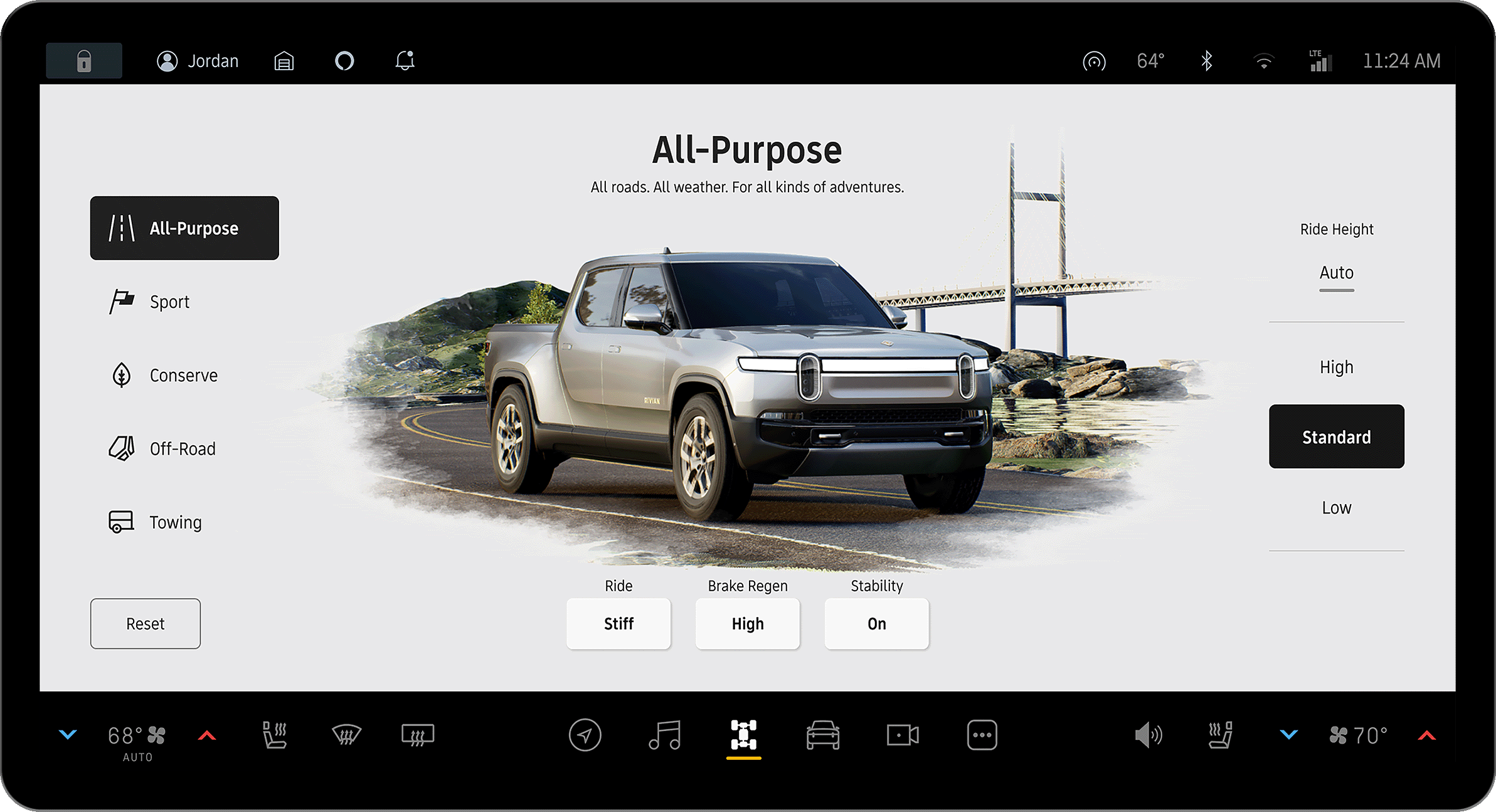
As Rivian continues to push the boundaries of innovation, the AI assistant represents a major step forward in the evolution of in-car technology. With its focus on integration, flexibility, and advanced capabilities, the company is setting a new standard for the future of electric vehicles.