

What Is Chemotherapy Cream and How Does It Work?
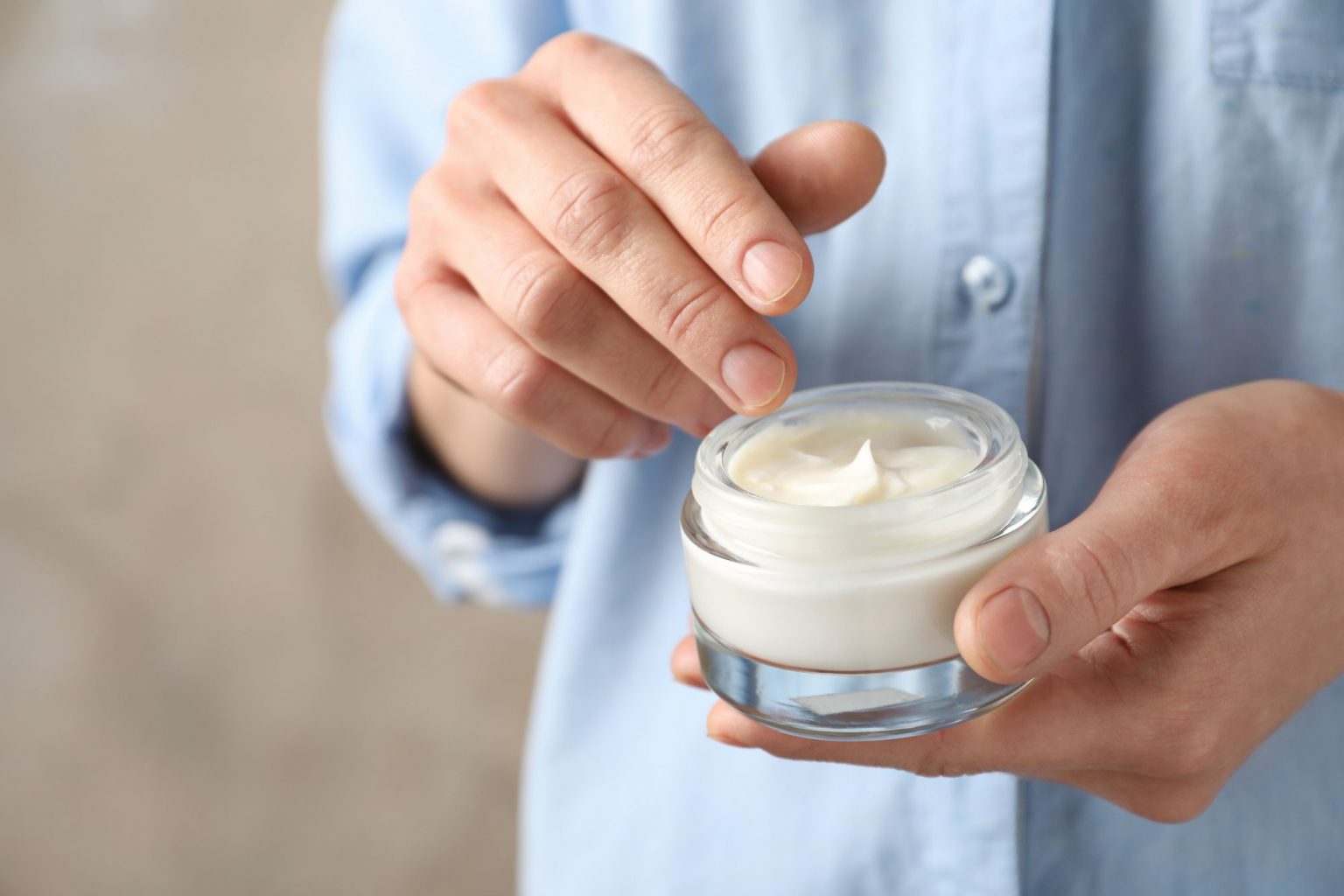
If you’ve ever heard of chemotherapy, you might think it’s only for people undergoing chemo treatments in a hospital. But here’s the thing: there’s also a type of chemotherapy that you can apply directly to your skin. It’s called chemotherapy cream, and it’s used to treat certain types of skin cancer and precancerous growths. Think of it like a topical medicine that works right on the surface of your skin.
The most common type of chemotherapy cream is 5-fluorouracil (5FU), which comes in different brand names like Carac, Efudex, Fluoroplex, and Tolak. There are also other creams like imiquimod (Aldara, Zyclara) and tirbanibulin (Klisyri) that work in similar ways but with slightly different mechanisms.
When Is Chemotherapy Cream Used?

Chemotherapy cream is typically used for precancerous lesions called actinic keratosis. These are rough, scaly patches that form on skin exposed to the sun, like your face, scalp, hands, or chest. They’re more common in people with lighter skin tones.
It’s also used for superficial skin cancers, which means the cancer hasn’t spread deep into the skin or elsewhere in the body. The most common type treated this way is superficial basal cell carcinoma. Some doctors may even use these creams for other conditions like Bowen disease.
How Do You Apply Chemotherapy Cream?
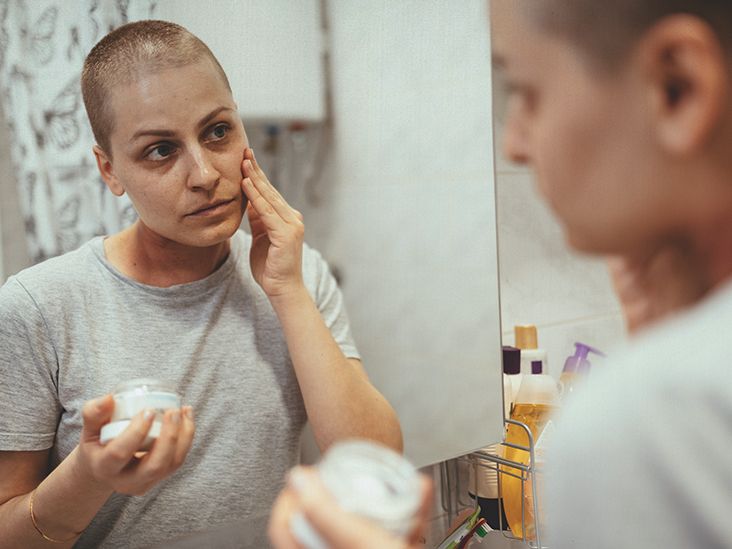
Your doctor will show you how to apply the cream properly. Here’s a quick rundown:
- Wash your hands before applying.
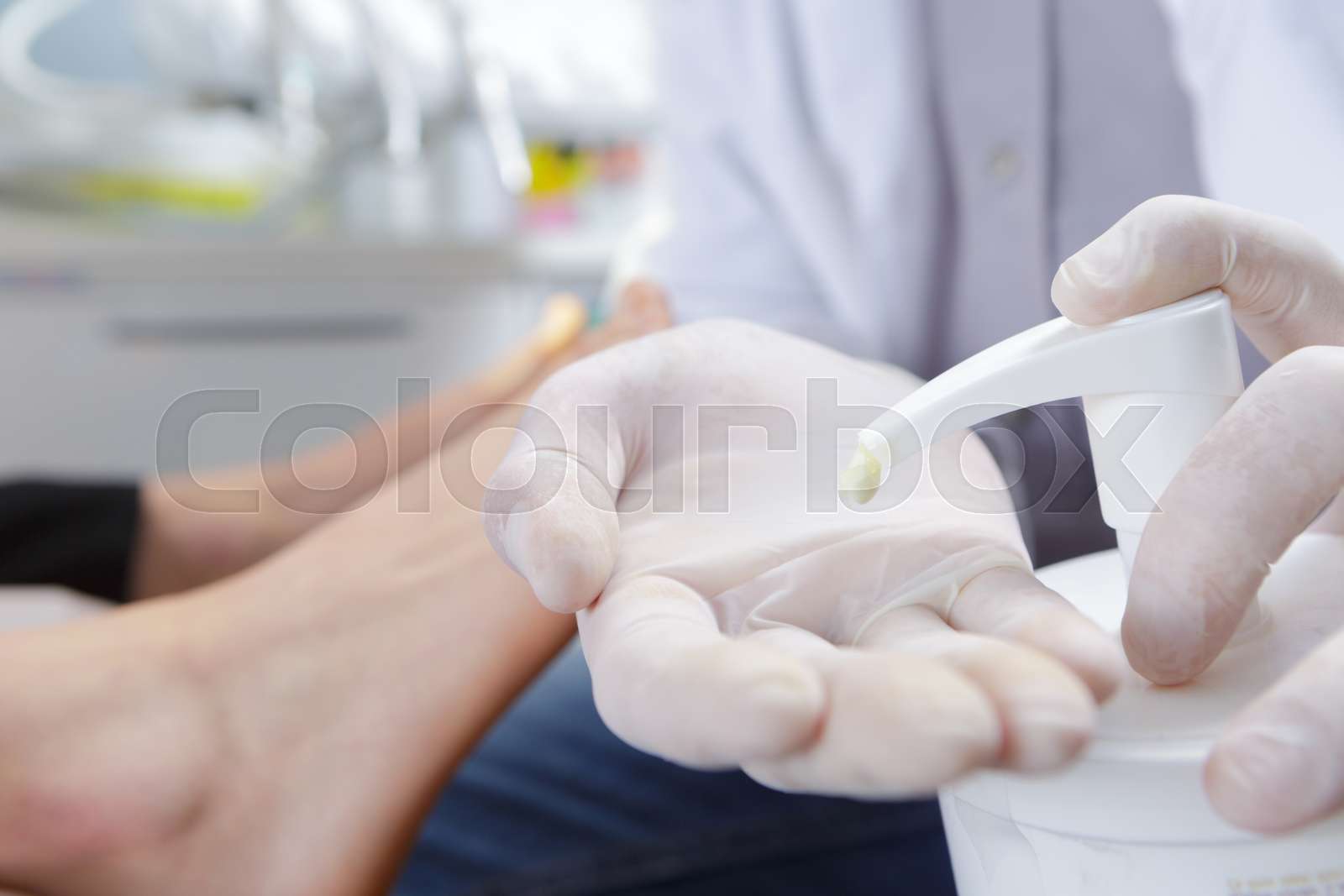
- Use a glove, nonmetal applicator, or your finger to spread the cream on the affected area.
- Rub it in until it disappears.
- Wash your hands again after applying.
You should avoid putting the cream near your eyes, nose, or mouth. Don’t wrap the area or use a bandage unless your doctor says so.
How Often and How Long Should You Use It?
The frequency and duration depend on the specific medication and the type of skin condition being treated.
For actinic keratosis, you might use:
– 5FU once or twice a day for 2–4 weeks
– Diclofenac (Solaraze) twice a day for 2–3 months
– Imiquimod once a day, 2 days a week, for 16 weeks
– Tirbanibulin once a day for 5 days
For superficial basal cell carcinoma, you might use:
– 5FU once or twice a day for 6–12 weeks
– Imiquimod once a day, 5 days a week, for 6 weeks
Always follow your doctor’s instructions carefully.
What Are the Side Effects?

Chemotherapy cream can cause some irritation, like redness, dryness, soreness, or a burning sensation. You might also see swelling, changes in skin color, or a rash.
In rare cases, more serious side effects could happen, like bloody diarrhea, vomiting, fever, or severe skin reactions. If you experience any of these, contact your doctor immediately.
What Happens After You Apply the Cream?
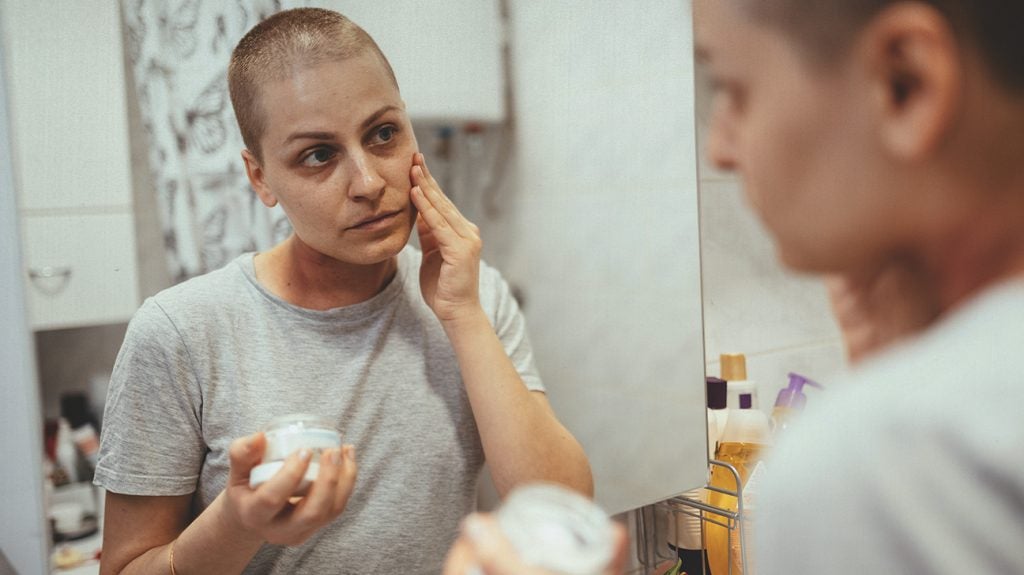
After using the cream, your skin might look red, inflamed, and feel sore. It might even leak fluid. This is normal as your skin heals. You’ll need to protect it from the sun during recovery, as sunlight can make things worse.
How Effective Is Chemotherapy Cream?
Research shows that chemotherapy cream can be very effective for certain skin conditions. For example:
– A 2015 study found that 5FU helped reduce actinic keratosis for over two years.
– A 2017 study compared imiquimod and 5FU for treating superficial basal cell carcinoma and found that both had good results, with imiquimod having a slightly higher success rate.
However, some studies have shown that 5FU can become less effective over time due to drug resistance, which is why doctors sometimes combine it with other treatments.
The Bottom Line
Topical chemotherapy is a powerful tool for treating certain skin conditions without needing surgery. It can cause some discomfort, but most side effects go away as your skin heals. While surgery is still the go-to treatment for many skin cancers, chemotherapy cream offers a great alternative for precancerous growths and early-stage skin cancer.
Talk to your doctor to see if chemotherapy cream is right for you. They’ll help you weigh the pros and cons based on your specific situation.


