The Rise of Xpeng’s Self-Driving Tech: A New Player in the EV Game
In recent years, the electric vehicle (EV) market has seen a surge of innovation, with companies like Tesla leading the charge. However, one Chinese automaker is making waves and challenging the status quo—Xpeng. Known for its advanced driver assistance systems, Xpeng is pushing the boundaries of what semi-autonomous driving can achieve.
What Makes Xpeng Stand Out?

Xpeng isn’t just another player in the EV space; it’s a company that’s been developing electric vehicles for about a decade. Their focus extends beyond just cars—they’re diving into areas like robotaxis, humanoid robots, and expanding their network of fast-charging stations across China. This broad approach shows how seriously they’re taking the future of mobility.
Understanding Xpeng’s Navigation Guided Pilot (NGP)
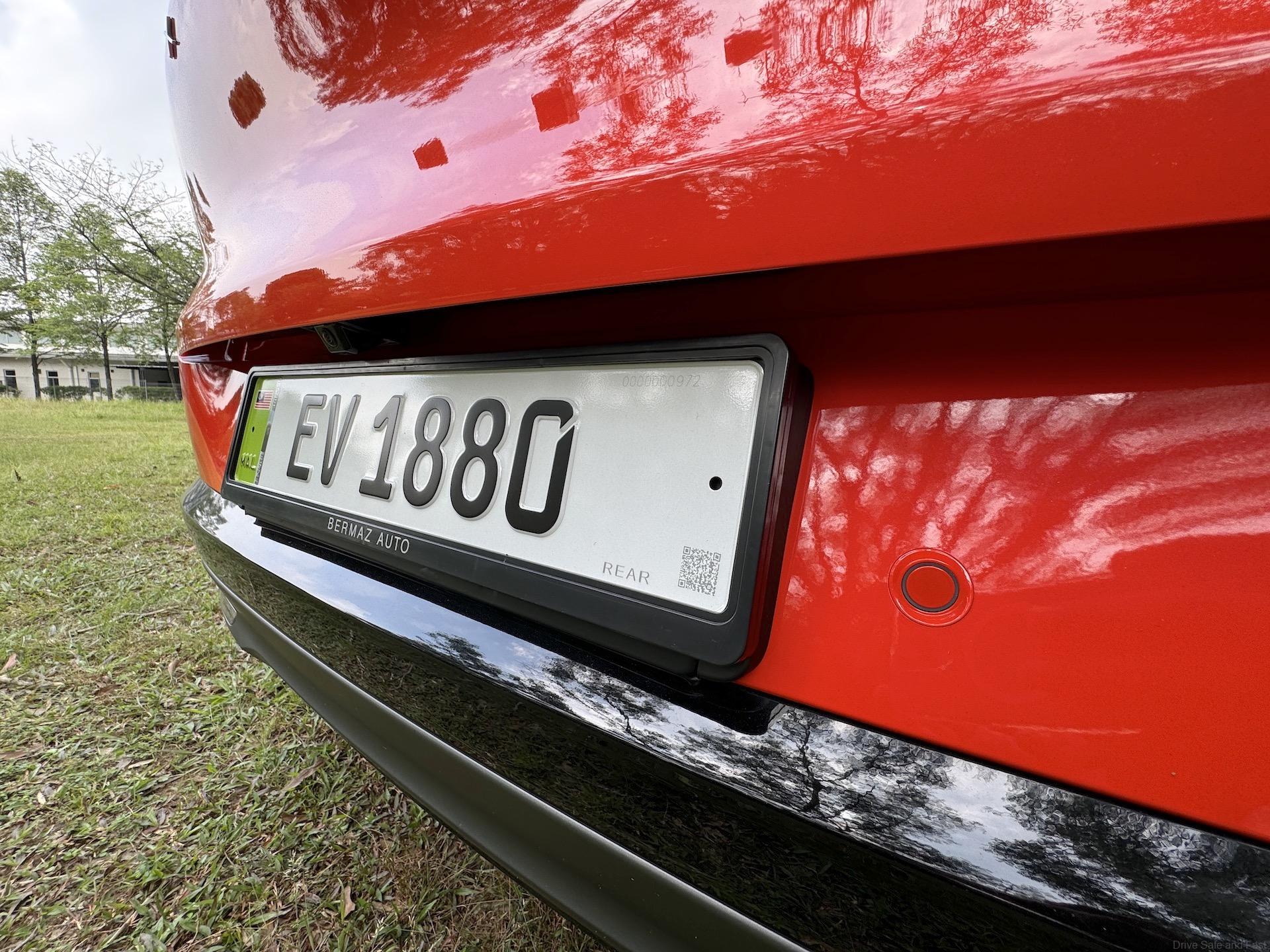
At the heart of Xpeng’s technology is the Navigation Guided Pilot (NGP), a semi-autonomous driving system designed to handle everything from highway driving to navigating complex city streets. Unlike some competitors, Xpeng relies solely on cameras for its self-driving functions, skipping lidar and radar sensors. This approach not only reduces costs but also simplifies the system.
How NGP Works in Real Life
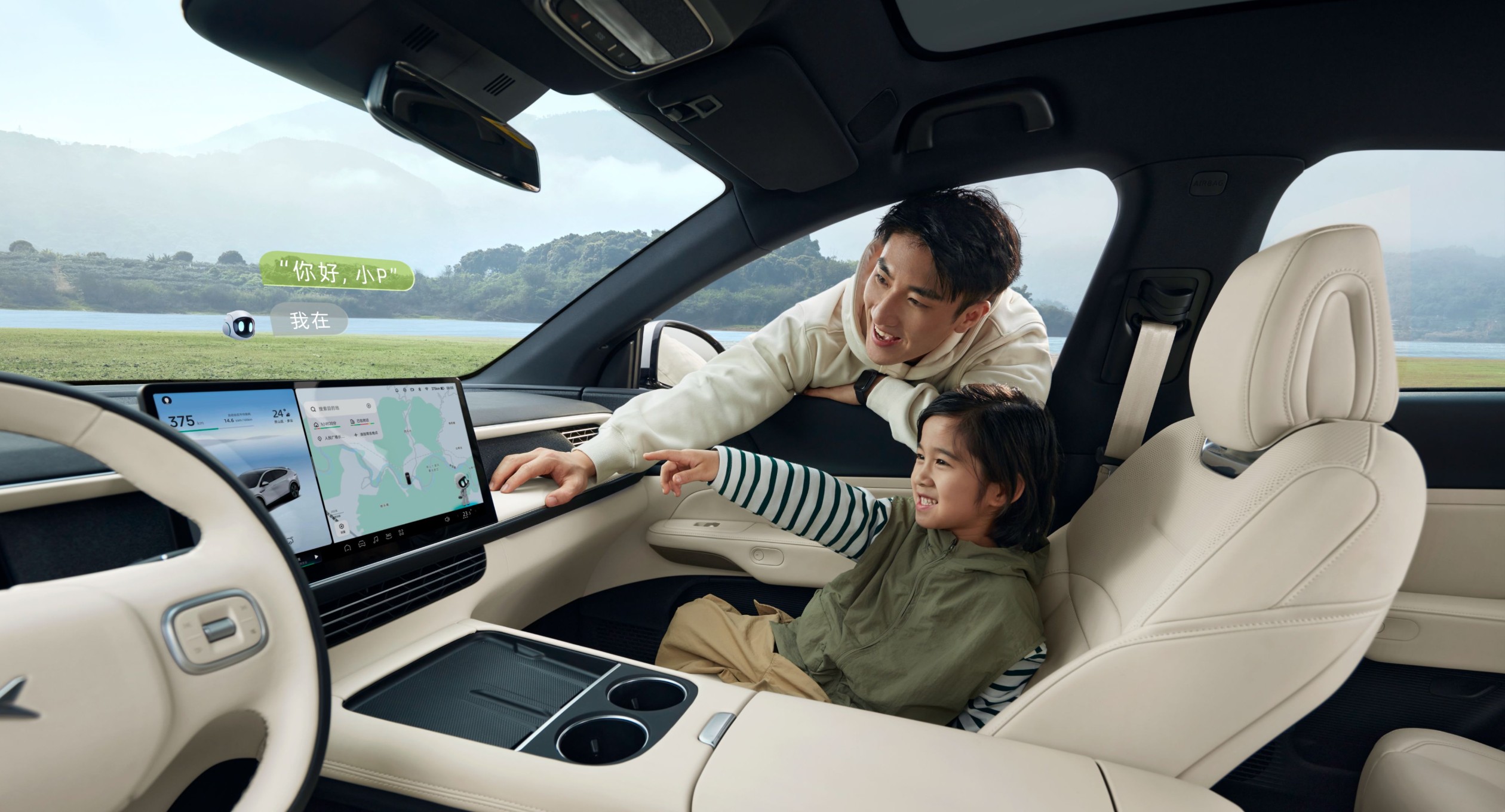
During our visit to Guangzhou, we had the chance to ride in two of Xpeng’s vehicles to experience NGP firsthand. The first was the 2025 Xpeng G6, a compact crossover similar in size to the Tesla Model Y. The G6 features 11 exterior cameras that feed data to the NGP system, allowing it to navigate city streets and integrate with the car’s built-in navigation.
Challenges of Urban Driving

One of the biggest challenges for any self-driving system is handling urban environments. In Guangzhou, the traffic is unlike anything in the U.S., with a high number of pedestrians, bikes, and scooters creating a level of unpredictability that American drivers rarely face. Despite this, the G6 handled the dense traffic and swarms of pedestrians with little trouble.
Parking and More

The real test came when we entered Xpeng’s parking structure. While the G6 generally handled the situation well, there were moments where it edged too close to the wall or drifted over white lines. These issues highlight the complexities of autonomous parking in real-world conditions.
Riding in the Xpeng P7

The next day, we took the Xpeng P7 through Guangzhou’s city streets and on the freeway. The experience was similar to the G6, with smooth acceleration and refined braking. However, we encountered a more serious issue when the P7 nearly hit a service van parked in the traffic lane. This incident underscores the importance of continuous improvements in autonomous systems.
Comparing Xpeng’s NGP to Tesla’s FSD

Tesla recently released FSD v14, which includes new “Arrival Options” that let the car handle parking-lot maneuvers. While we’ve had mixed experiences with earlier versions of FSD, v14 seems to have made significant improvements. However, it’s hard to make a direct comparison between Tesla’s FSD and Xpeng’s NGP due to different testing conditions.
Accessibility and Future Developments

One key difference between Xpeng and Tesla is accessibility. Xpeng includes its semi-autonomous driving system as standard equipment on all its vehicles, making it more affordable for consumers. Tesla, on the other hand, still charges an additional $8,000 for FSD.
The Road Ahead

Xpeng is also developing a next-generation version of its driver assistance system called VLA 2.0. This updated platform is powered by an in-house chip and pairs with an AI model trained on millions of real-world driving scenarios. According to Xpeng, vehicles equipped with VLA 2.0 will be capable of navigating narrow roads, maneuvering around parked cars, and even recognizing hand gestures from pedestrians and construction workers.