The Deep Roots of Braiding: A Global Tradition
Braids are more than just a stylish way to wear your hair. They’re a centuries-old tradition that spans the globe, with roots that go back tens of thousands of years. From ancient Africa to modern-day fashion, braiding has always been about more than just looking good—it’s a powerful symbol of identity, culture, and history.
The Earliest Examples of Braiding
The origins of braiding can be traced back to some of the oldest human artifacts ever discovered. One of the most famous examples is the Venus of Willendorf, a 25,000- to 30,000-year-old figurine found in Austria. While it’s not clear exactly what the figure represents, many experts believe the intricate patterns on its head suggest a braided hairstyle. This discovery shows that braiding was already a part of human culture long before written history began.
In Africa, braiding became a deeply embedded tradition. Different styles were used to communicate important social information, such as a person’s age, marital status, or tribal affiliation. For example, among the Himba people of Namibia, specific braided hairstyles are still used today to mark different life stages, from childhood to adulthood.
Braids as a Practical and Protective Style

Beyond their cultural significance, braids also had practical benefits. In hot climates, braiding hair close to the scalp helped protect it from the sun while keeping the wearer cool. Styles like cornrows, box braids, and goddess braids became popular because they allowed people to keep their hair long without it getting tangled or breaking.
This practical approach to braiding wasn’t just for aesthetics—it was a way to maintain healthy hair. In many African communities, younger generations learned these techniques from elders, passing down knowledge through generations. Today, this tradition continues, especially among Black Americans who see braided hairstyles as a way to celebrate their heritage and express their identity.
Braids Across Cultures and Time Periods
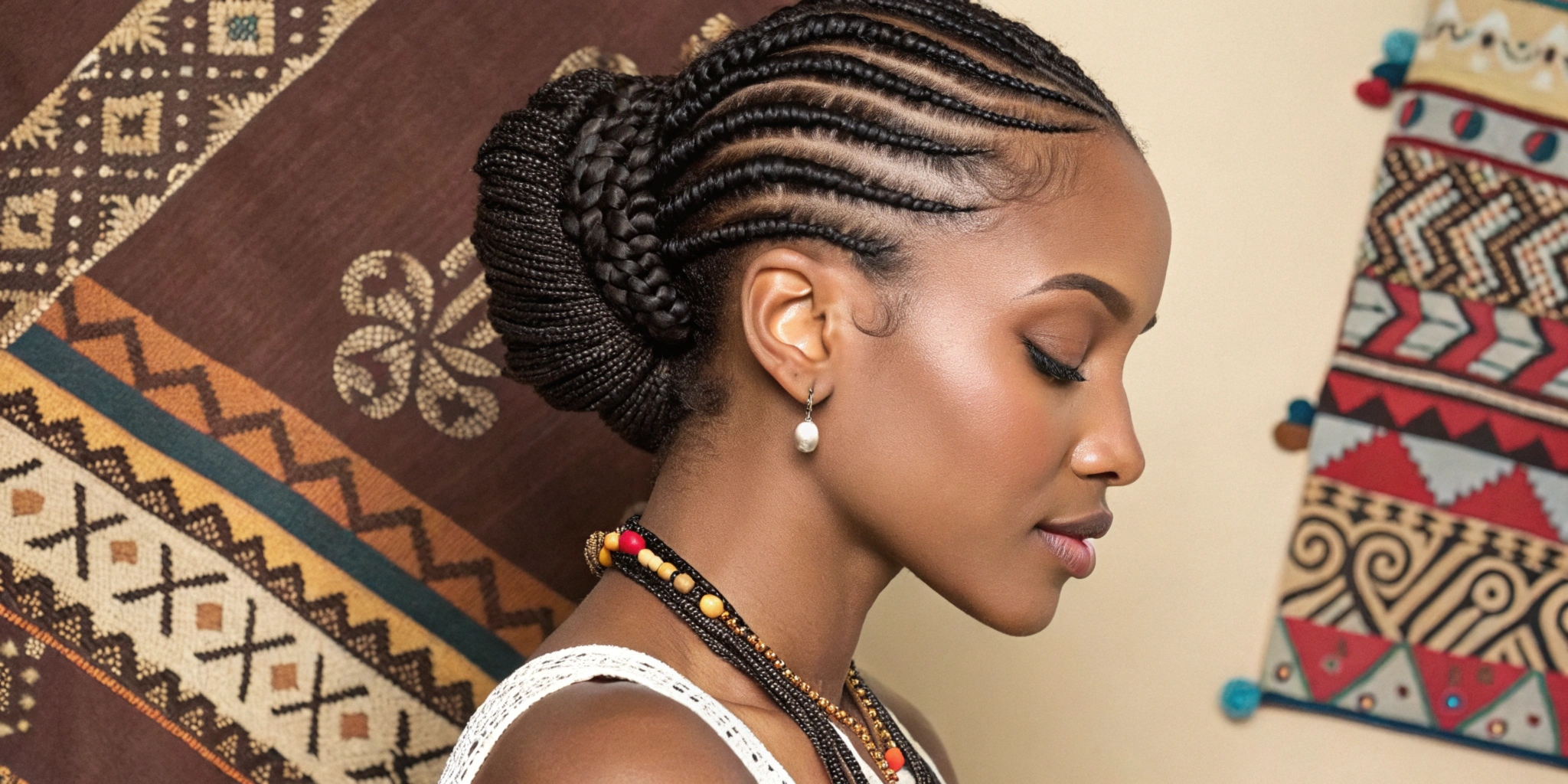
While braiding originated in Africa, it quickly spread to other parts of the world. In Europe, styles like Dutch braids and French plaits became popular, often used for both everyday wear and special occasions. In Asia and among Indigenous peoples in the Americas, braiding also held deep cultural and spiritual meaning.
During the Iron Age and Middle Ages, braiding was a common practice across many cultures. Whether you were a soldier, a noble, or a commoner, your hairstyle could tell others a lot about your status or lifestyle. Braiding was not just a way to look good—it was a functional and meaningful part of daily life.
Braids Today: More Than Just a Hairstyle

Today, braids continue to evolve. From simple fishtail braids to complex Bantu knots and locs, there are countless ways to style your hair. But even with all these modern variations, the core of braiding remains the same—connecting people across generations and cultures.
For many, braids are an art form, a way to express individuality, and a symbol of community. Some athletes even braid their hair for practical reasons, like keeping it out of their face during intense activity. No matter how they’re worn, braids carry a rich history that continues to shape the way we think about beauty, identity, and tradition.
The Enduring Legacy of Braiding
From ancient times to today, braiding has always been more than just a hairstyle. It’s a reflection of culture, a tool for protection, and a way to connect with others. Whether you’re wearing a simple braid or an elaborate updo, you’re part of a tradition that stretches back thousands of years. And as long as people continue to braid their hair, this timeless practice will live on.