
Understanding the Egg Market: Cage-Free vs. Organic
When it comes to buying eggs, the choices can be a bit overwhelming. With so many labels and terms, it’s easy to get confused about what each one actually means. Two of the most common options are cage-free and organic eggs. But which one is better? Let’s break down the differences and see what makes each option unique.
The Basics of Egg Production
In the United States, the egg industry is massive, producing nearly 100 billion eggs every year. This gives consumers a wide range of options, but it also raises questions about how those eggs are produced. Most eggs come from large-scale operations where hens are kept in battery cages—small wire enclosures that hold up to eight birds. These cages are so cramped that hens can’t even stretch their wings. They don’t have access to natural light or the outdoors, and they’re often given antibiotics to prevent disease.
What Are Cage-Free Eggs?
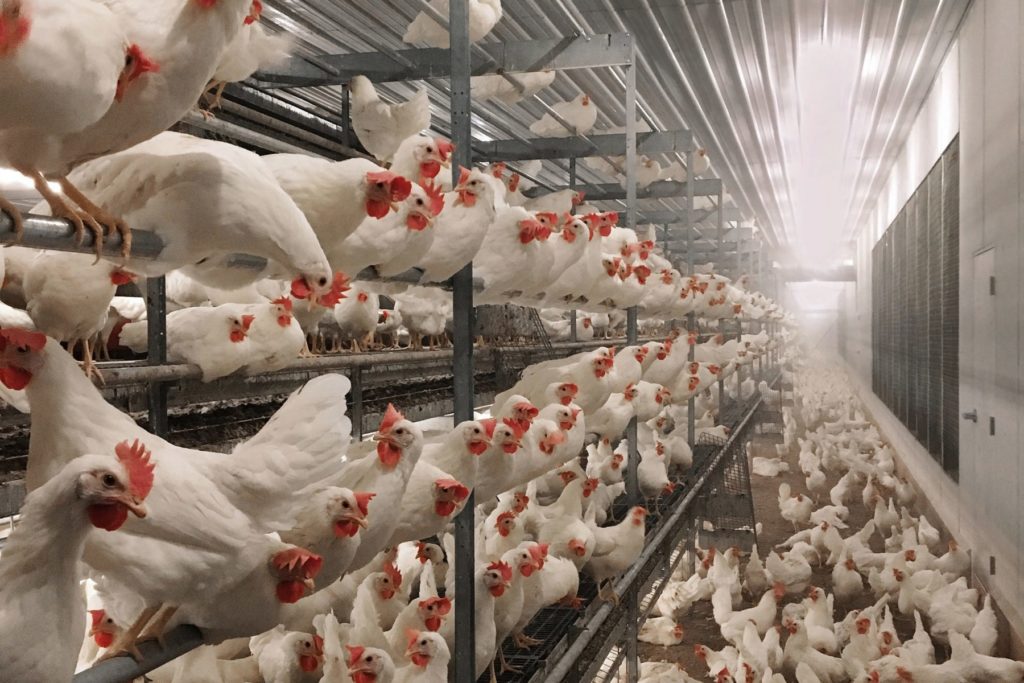
Cage-free eggs come from hens that aren’t confined to cages. Instead, they live in large warehouses with thousands of other chickens. While they can move around more freely, they still don’t have access to the outdoors. Many people think cage-free eggs are a more ethical choice, and they do offer some improvements over traditional battery cage systems. However, they’re still housed in crowded conditions and often receive antibiotics.
The Benefits of Organic Eggs

Organic eggs are considered the gold standard for ethical and health-conscious consumers. The USDA regulates the organic label, ensuring that hens are raised in a way that allows them to engage in natural behaviors. This includes having access to the outdoors, sunlight, and an exercise area. They’re also fed certified organic feed that’s free from pesticides, drugs, and animal byproducts. While organic eggs don’t have any added nutritional benefits over cage-free or conventional eggs, they are seen as a more humane and healthier option.
Key Differences Between Cage-Free and Organic

While both cage-free and organic eggs offer better conditions than traditional battery cage eggs, there are key differences. Cage-free eggs may not always mean better treatment, as they can still be packed into large warehouses without access to the outdoors. Organic eggs, on the other hand, are subject to stricter regulations and provide more transparency about the conditions in which the hens are raised.
Frequently Asked Questions
Are organic eggs healthier than regular eggs?
Organic eggs do have slightly higher levels of certain nutrients like omega-3 fatty acids and vitamins A and E. However, the overall health benefits are minimal, and opinions vary on whether these differences are significant.
Do cage-free eggs taste better?
There’s generally no difference in taste between cage-free and conventionally raised eggs. The biggest flavor difference comes from fresh, farm-raised eggs versus store-bought ones.
Are cage-free eggs ethical?
Cage-free eggs are a step up from traditional battery cage systems, but they still involve crowded indoor environments. While they allow hens to move more freely, they’re not necessarily ethical in the broader sense.
What is the difference between organic and cage-free eggs?
Organic eggs come from hens that are allowed to roam outdoors, have access to sunlight, and are fed organic feed. Cage-free eggs, while not in cages, may still be in crowded indoor spaces without outdoor access.
What are pasture-raised eggs?
Pasture-raised eggs come from hens that spend time outdoors in open fields. These eggs are often considered the most ethical and natural option, as the hens can scratch, peck, and enjoy fresh air.
Final Thoughts
Choosing between cage-free and organic eggs ultimately depends on your values and priorities. If you’re concerned about animal welfare and want to support more ethical farming practices, organic eggs are the better choice. However, if cost is a factor, cage-free eggs might be a more affordable option. Either way, understanding the differences can help you make a more informed decision when shopping for eggs.