


Understanding the Signs of Recurrent Breast Cancer
Breast cancer is a complex and challenging condition, but for many, the journey doesn’t end with treatment. Remission is a significant milestone, but it’s important to stay vigilant because breast cancer can sometimes return. While some signs of recurrence are well-known, others might be more subtle. Being aware of these unusual symptoms could help catch a recurrence early.
Itching That Won’t Go Away

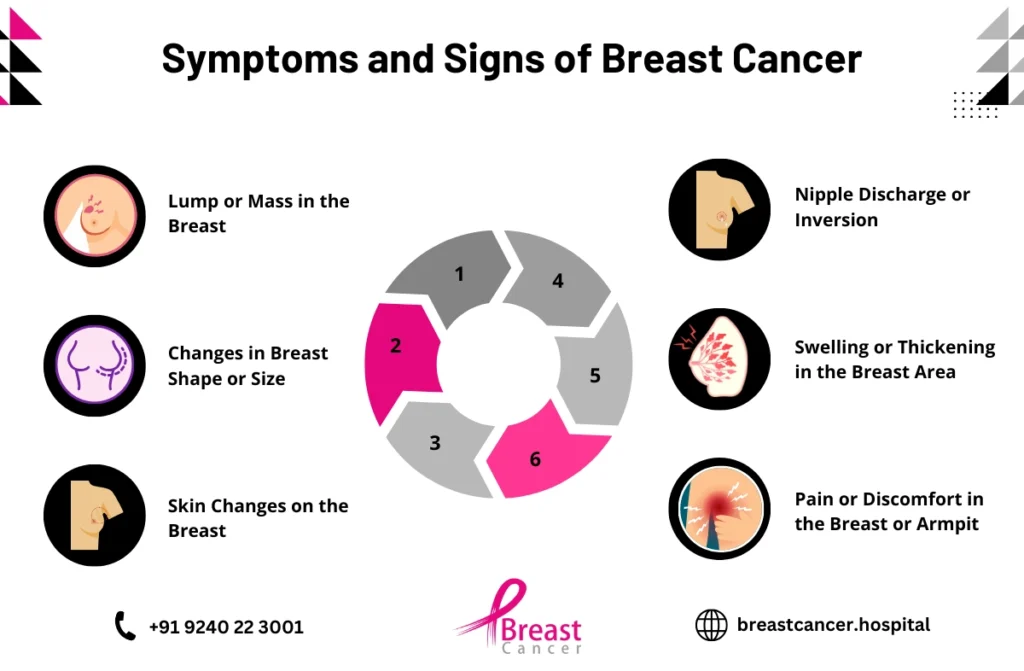
One of the less common signs of local recurrence is persistent itching. If you notice that your breasts feel unusually itchy and the sensation doesn’t subside, it’s worth bringing up with your doctor. This symptom can be easy to overlook, but it may signal something more serious.
Changes in Surgical Scars
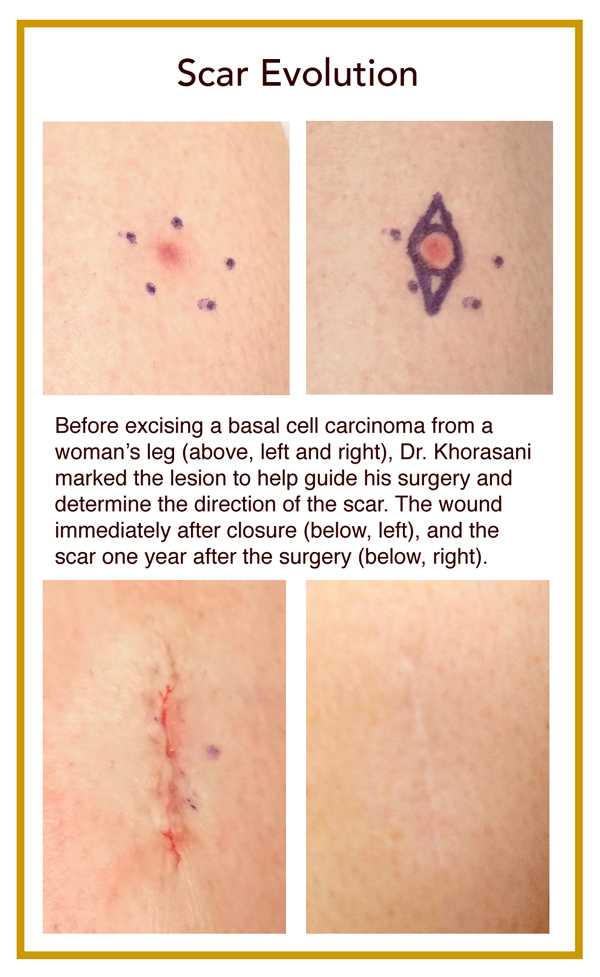
After surgery, scars typically heal and remain stable. However, if you notice new thickening, redness, or swelling around your surgical scar, it could be a sign of either a recurrence or changes in the scar tissue itself. It’s important to have these changes evaluated by a healthcare professional.
Fullness or Heaviness in One Arm
A feeling of fullness or heaviness in one arm or shoulder might indicate lymphedema, a condition where fluid builds up due to issues with the lymph nodes. This can happen after breast cancer surgery, but it could also be an early sign of a regional recurrence. Consulting with your surgeon is key.
Unexplained, Persistent Fatigue

Fatigue is a common side effect of many conditions, including breast cancer recurrence. If you’re feeling tired all the time and the fatigue doesn’t go away, it’s essential to talk to your primary care provider. This could be a sign that something more is going on.
Shortness of Breath
Experiencing difficulty breathing, whether during exercise or at rest, could be a sign of a recurrence in the lungs. It’s important to note that this symptom could also point to other health issues, so discussing it with your doctor is crucial.
Dry Cough

A persistent, dry cough might not seem like a big deal, but it can be a sign that breast cancer has spread to the lungs. If the cough doesn’t go away, it’s wise to consult your primary care provider to rule out any serious conditions.
Persistent Pain in Back, Hip, or Ribs
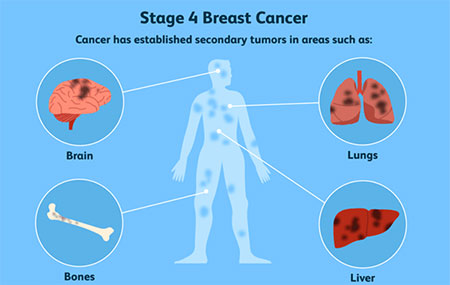
If you’re experiencing pain in your back, hip, or ribs without any obvious cause, it could be a sign of metastatic recurrence. This type of pain should not be ignored, especially if it doesn’t go away and you can’t identify the source.
Frequent Headaches

Severe headaches that come on suddenly could be a sign of cancer spreading to the brain. They might also be caused by other issues, so it’s important to speak with your doctor if you start having headaches for no apparent reason.
Vision Changes

Changes in vision, such as blurred or double vision, can be alarming. These changes might suggest problems like a metastatic recurrence in the brain. If you experience any new or unexplained changes in your vision, seek medical attention immediately.
Nausea
Feeling sick to your stomach without an obvious cause could be a sign of cancer spreading to the liver, brain, or other areas. If the nausea persists and doesn’t have a clear cause, it’s important to talk to your doctor.
Loss of Appetite
Not feeling hungry could be a sign of various issues, including the spread of breast cancer to the liver. If your appetite doesn’t return, it’s worth discussing with your healthcare provider to explore possible causes.
Extreme Weight Loss

Unintentional weight loss can be a concerning sign. If you’ve lost weight without trying, it could indicate a variety of health problems, including cancer recurrence. It’s important to consult your doctor to determine the underlying cause.
Abdominal Discomfort, Bloating, or Fullness
Pain or discomfort in the abdomen can have many causes, including a metastatic recurrence in the liver. If you’re experiencing persistent abdominal issues and don’t know why, it’s best to talk to your doctor for further evaluation.
Jaundice

Jaundice, characterized by yellowing of the skin or the whites of the eyes, can be a sign of liver problems, including metastatic cancer. If you notice this symptom, it’s important to seek medical advice promptly.
Changes in Balance, Coordination, or Speech
Feeling dizzy or unsteady on your feet could be a sign of neurological issues or a recurrence in the brain. If you experience changes in balance, coordination, or speech, it’s crucial to get medical help right away.
Talk to Your Doctor

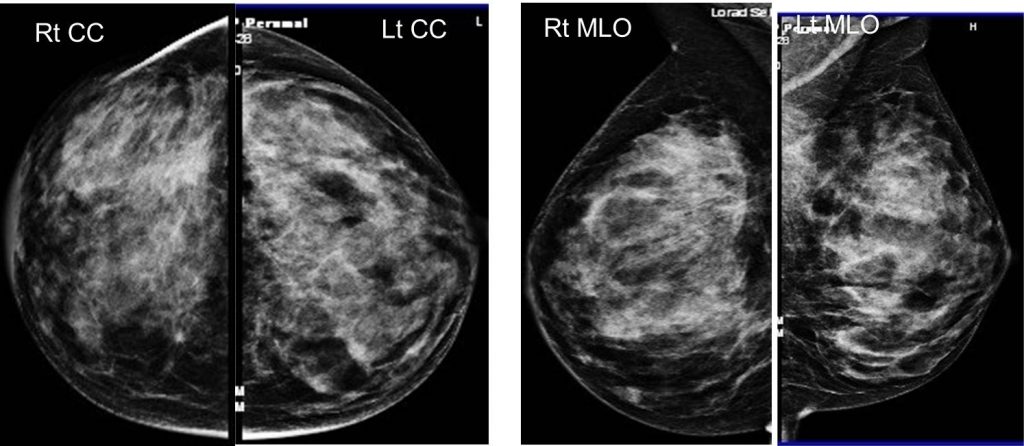
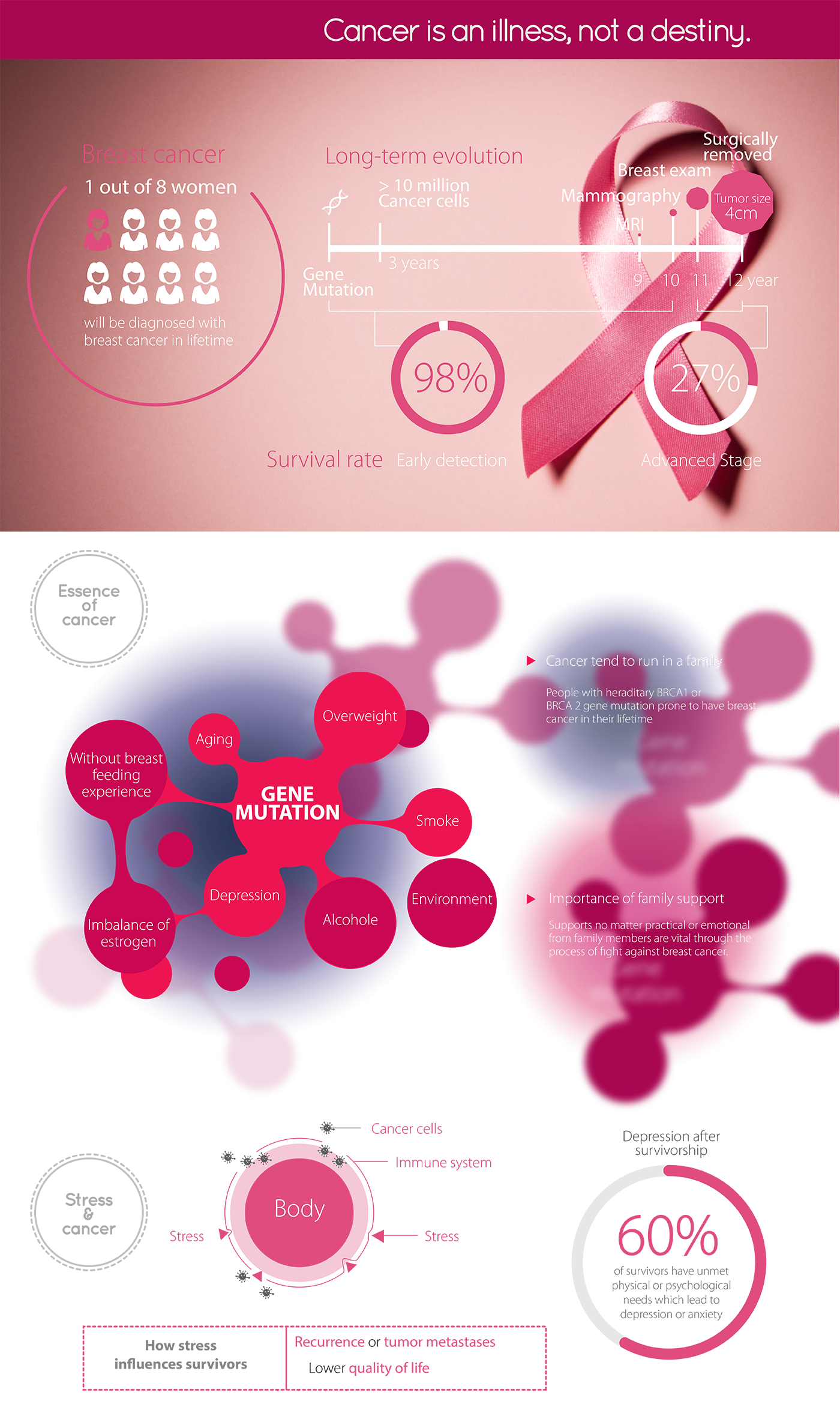
Regular check-ups and mammograms are essential for monitoring your health after breast cancer treatment. Mammograms can detect cancer before symptoms appear, making early intervention possible. Be sure to report any new or unexplained symptoms to your doctor, especially if they persist.


