

Understanding Metastatic Breast Cancer
When a cancer diagnosis includes the word “metastatic,” it means the disease has moved beyond its original location. For breast cancer, this typically means it has spread to other parts of the body, such as the bones, liver, lungs, or brain. This stage is more advanced and often requires a different approach to treatment and care.
Common Areas Where Breast Cancer Spreads

While breast cancer can technically spread anywhere in the body, certain areas are more commonly affected. The lymph nodes, bones, liver, lungs, and brain are the most frequent targets. Each of these areas presents unique challenges and symptoms that patients may experience.
Lymph Nodes and Their Role
The lymph nodes under the arms, inside the breast, and near the collarbone are often the first places where breast cancer spreads. These small glands are part of the body’s immune system and help drain harmful substances. If cancer reaches these nodes, it’s considered metastatic. However, many people don’t notice any symptoms at this stage.
Bone Metastasis and Symptoms
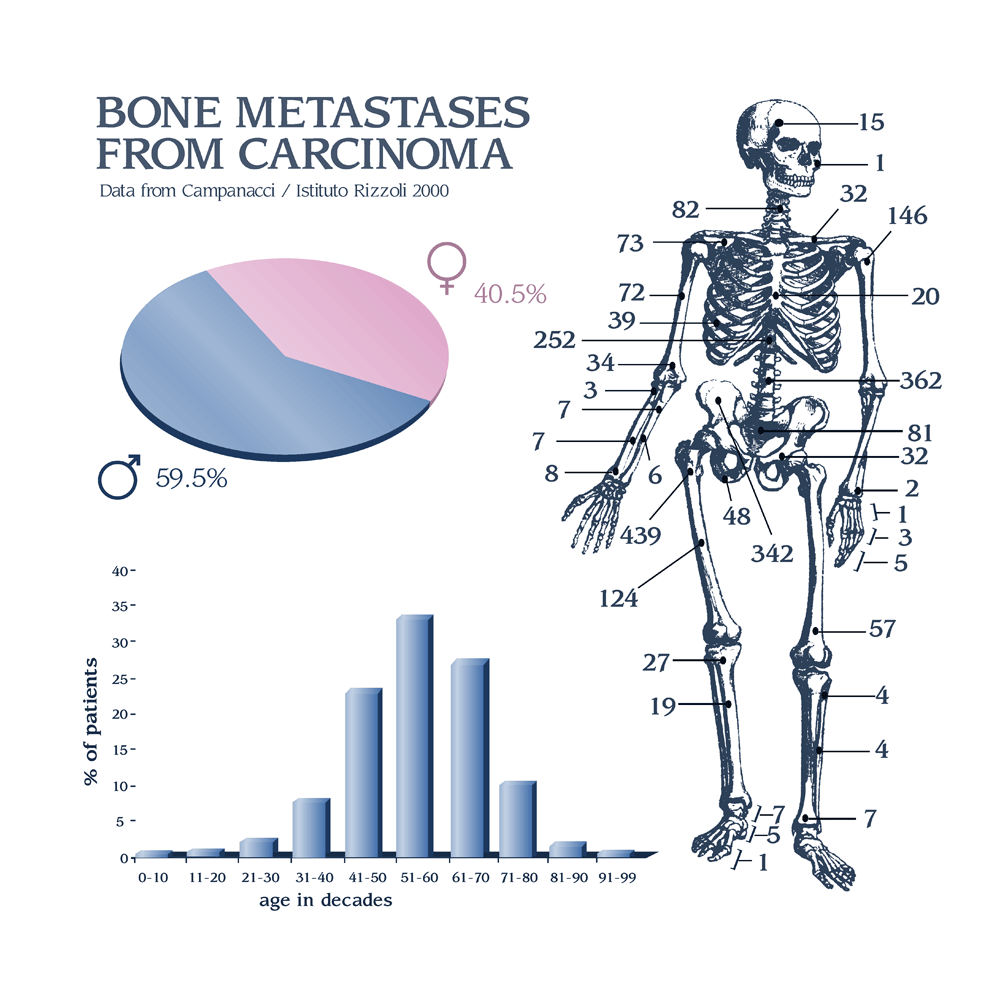
When breast cancer spreads to the bones, the most common symptom is pain. This can affect any bone, including the spine, arms, and legs. In some cases, the bones may become weak enough to fracture, but treatments are available to prevent this. If the spine is involved, patients might experience issues with bladder control or numbness and weakness in parts of the body.
Liver Metastasis and Its Effects

Breast cancer that spreads to the liver can cause persistent abdominal pain, bloating, and a loss of appetite. Patients may also experience jaundice, which is when the skin and eyes turn yellow due to liver dysfunction. Managing these symptoms is an essential part of treatment for those with liver involvement.
Lung Metastasis and Respiratory Issues

Breast cancer can spread to the lungs or the space around them, leading to fluid buildup. This can cause shortness of breath, a persistent cough, and chest pain. Some individuals may also lose their appetite, resulting in weight loss. Monitoring and managing these symptoms is crucial for quality of life.
Brain Metastasis and Neurological Symptoms

Although less common, breast cancer can spread to the brain, causing a range of neurological symptoms. These can include headaches, balance issues, numbness or weakness in parts of the body, and even seizures. Early detection and treatment are vital for managing these complications.
Treatment Options for Metastatic Breast Cancer

Treating metastatic breast cancer often involves a combination of surgery, chemotherapy, radiation, and medications. The specific treatment plan depends on the type of breast cancer a patient has. For example, HER2-positive breast cancer may require targeted therapy. Pain management is also a key component of care, ensuring patients can maintain their quality of life.


