

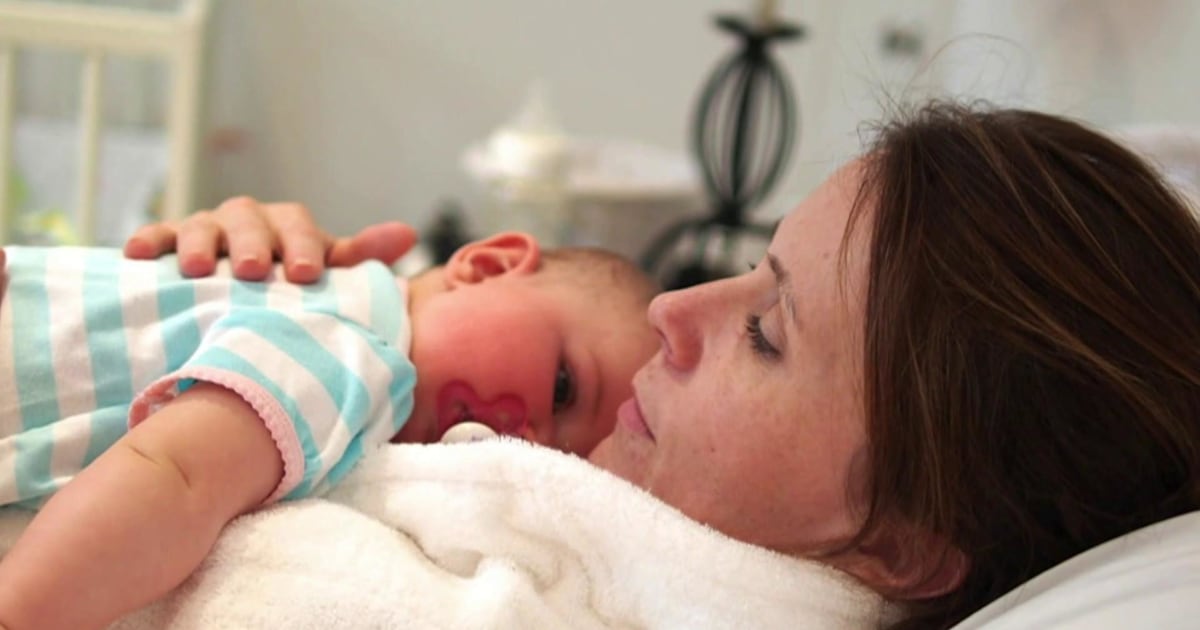
After completing breast cancer treatment, life doesn’t simply reset to normal. It transitions into a new chapter that requires ongoing attention and care. The focus shifts from active treatment to long-term health management, ensuring the cancer doesn’t return and maintaining overall well-being. Here’s what you need to know about what comes next:
Understanding the New Normal
Once treatment ends, it’s important to recognize that your journey isn’t over. Your medical team will continue to monitor your progress, and you’ll need to stay proactive in managing your health. This includes regular check-ups, screenings, and possibly taking maintenance medications for years. If financial concerns arise, don’t hesitate to reach out to your healthcare provider—they may have resources or programs to help with medication costs.
Addressing Side Effects

It’s a common misconception that all side effects from treatment disappear once therapy is complete. In reality, some side effects can linger or even develop later. These might include fatigue, changes in mood, or physical discomfort. It’s crucial to communicate any ongoing issues with your care team so they can provide support and guidance.
Staying Vigilant
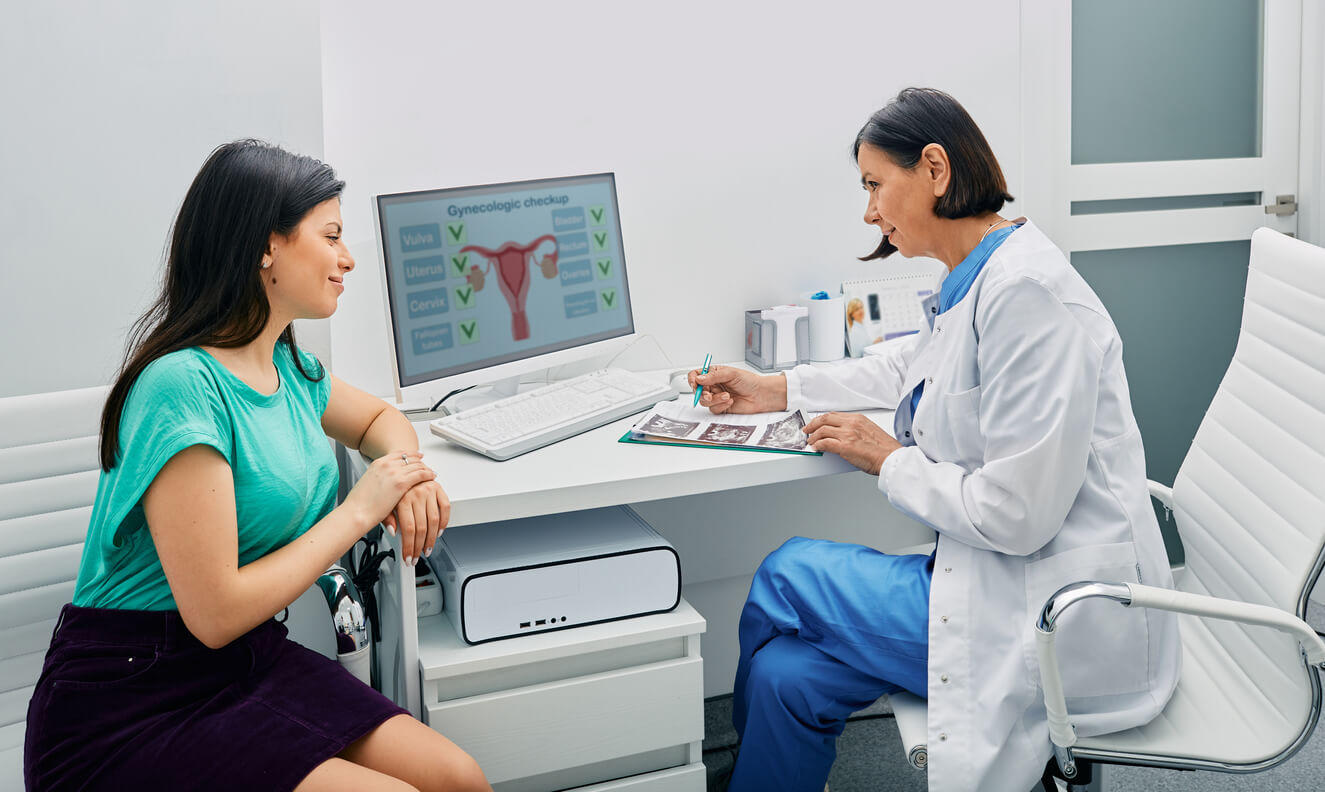
After treatment, staying vigilant is key. Routine screenings, such as mammograms and blood tests, are essential to catch any potential issues early. Avoiding unhealthy habits and embracing a healthy lifestyle can also play a significant role in reducing the risk of recurrence. Celebrating your progress is important, but it’s equally vital to remain aware of your health and not let down your guard.


