

Understanding Cording After Breast Cancer Surgery
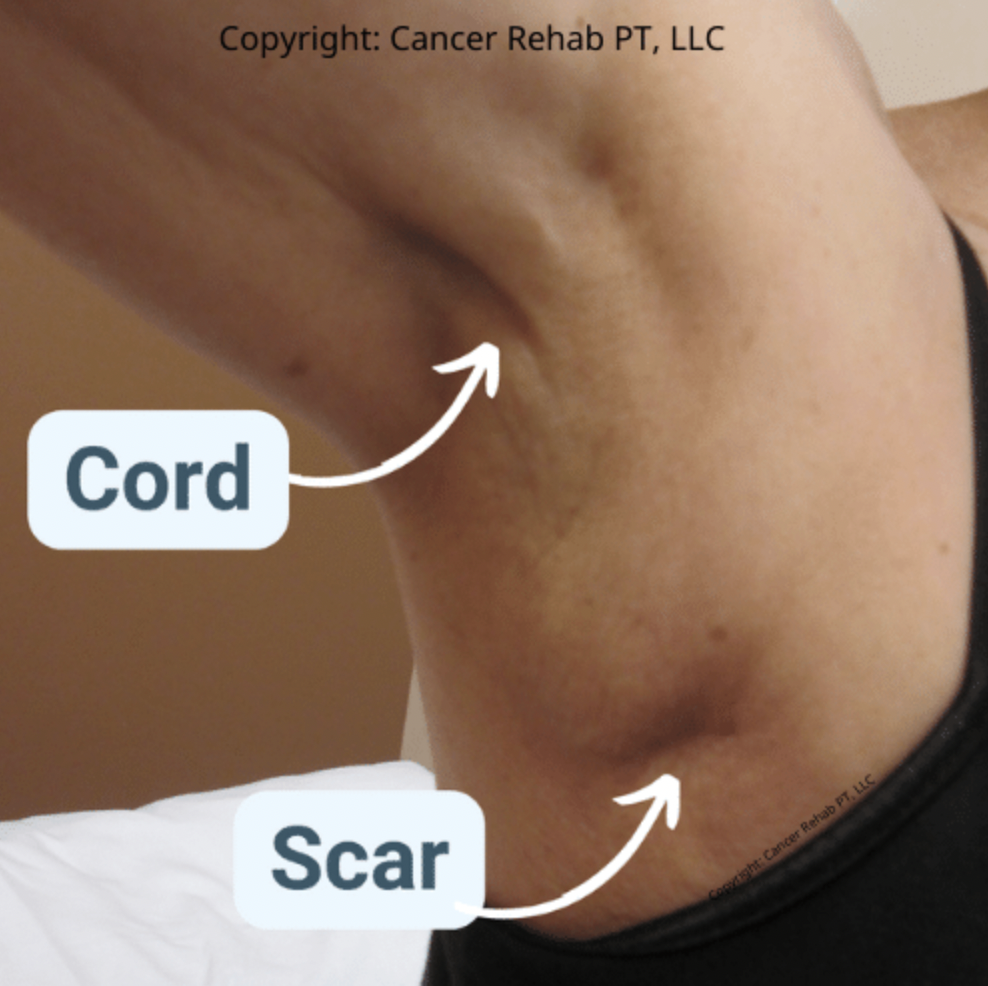
Cording, also known as axillary web syndrome, is a condition that can occur after breast cancer surgery, particularly when lymph nodes are removed. It manifests as visible, rope-like structures under the skin, usually in the armpit area, and can extend down the inner arm. These cords may cause tightness, pain, and limit the range of motion. While it can be uncomfortable, cording is typically a temporary issue that responds well to treatment.
Recognizing the Symptoms of Cording
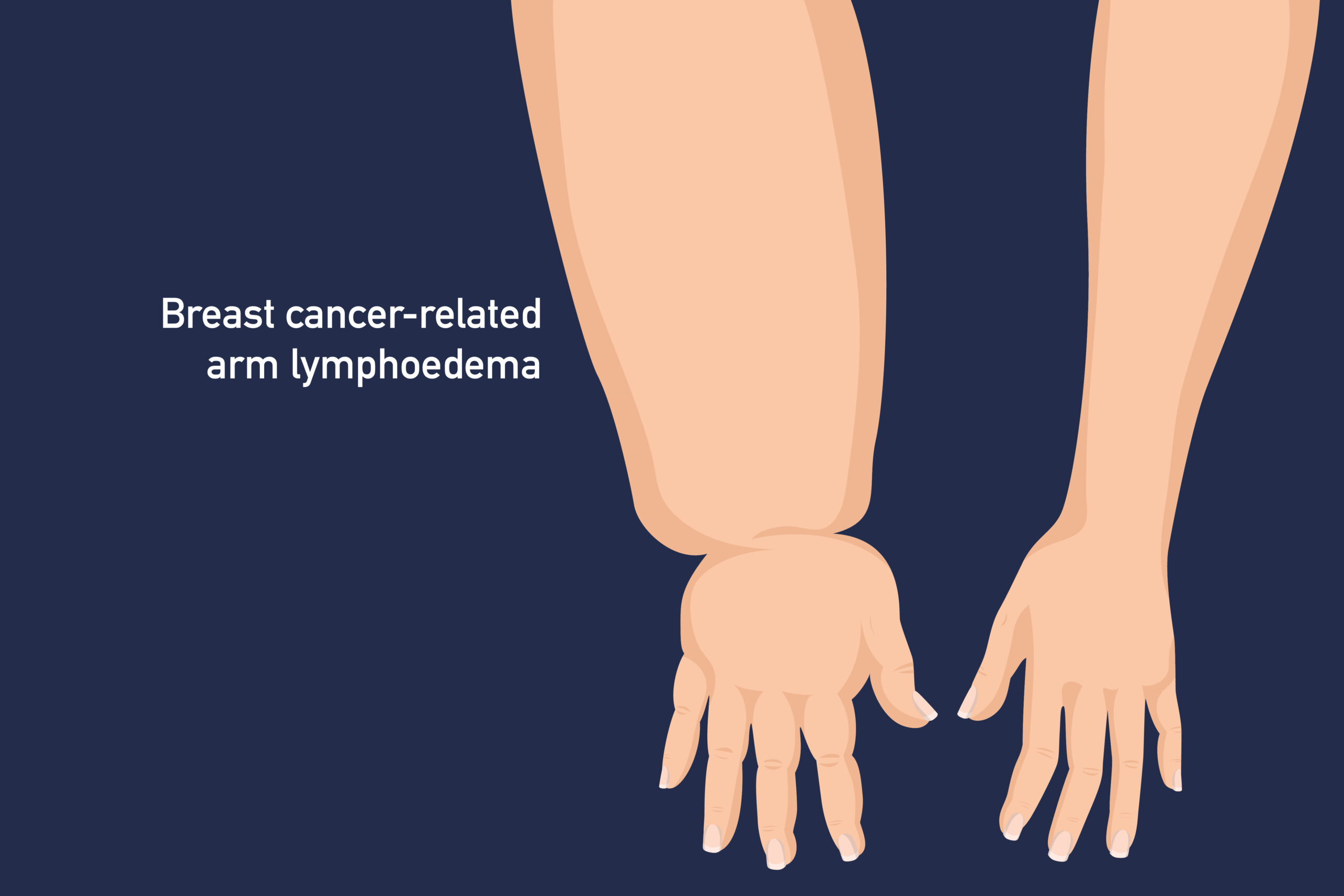
Cording often appears weeks or months after breast cancer surgery. You might notice tight, cord-like structures under your skin, running from your armpit down your arm, sometimes reaching as far as your wrist. These cords can be painful and may make it difficult to fully extend your arm or perform daily tasks. Some individuals describe a pulling sensation when moving their arm.
Causes of Cording

Cording occurs when lymph vessels, which help drain fluid from tissues, become hardened and tight following lymph node removal or radiation therapy. The exact cause isn’t fully understood, but it’s believed to be related to changes in the lymphatic system and scar tissue formation. Importantly, cording does not indicate that your cancer has returned; it’s a physical response to treatment.
Diagnosing Cording

Cording is typically diagnosed through a physical examination by a healthcare provider or a physical therapist. They will look for visible cords and assess your range of motion and pain levels. Imaging tests are not usually necessary, though they might be used in some cases to rule out other conditions.
Treatment Options for Cording

Treatment for cording often involves physical therapy and gentle stretching exercises. A physical therapist can guide you through specific movements to help break down the cords and improve flexibility. Massage may also be beneficial. In some cases, pain management strategies such as over-the-counter pain relievers or heat therapy might be recommended.
Managing Cording at Home
You can also take steps at home to manage cording. Your physical therapist may recommend gentle stretching exercises. Applying warm compresses before stretching can help increase flexibility. Maintaining good posture and using your affected arm for light activities can prevent stiffness. Be patient with your body and avoid forcing movements that cause pain.


