


Understanding Lymphedema: A Common Side Effect of Cancer Treatment
Lymphedema is a condition that causes swelling in parts of the body, usually due to an issue with the lymphatic system. This system helps remove waste and excess fluid from the body. When something goes wrong—like if lymph nodes are damaged or removed during cancer treatment—the fluid can build up, leading to swelling. It often appears years after treatment and can affect any part of the body, but it’s most common in the arms or legs.
How Does Lymphedema Happen?
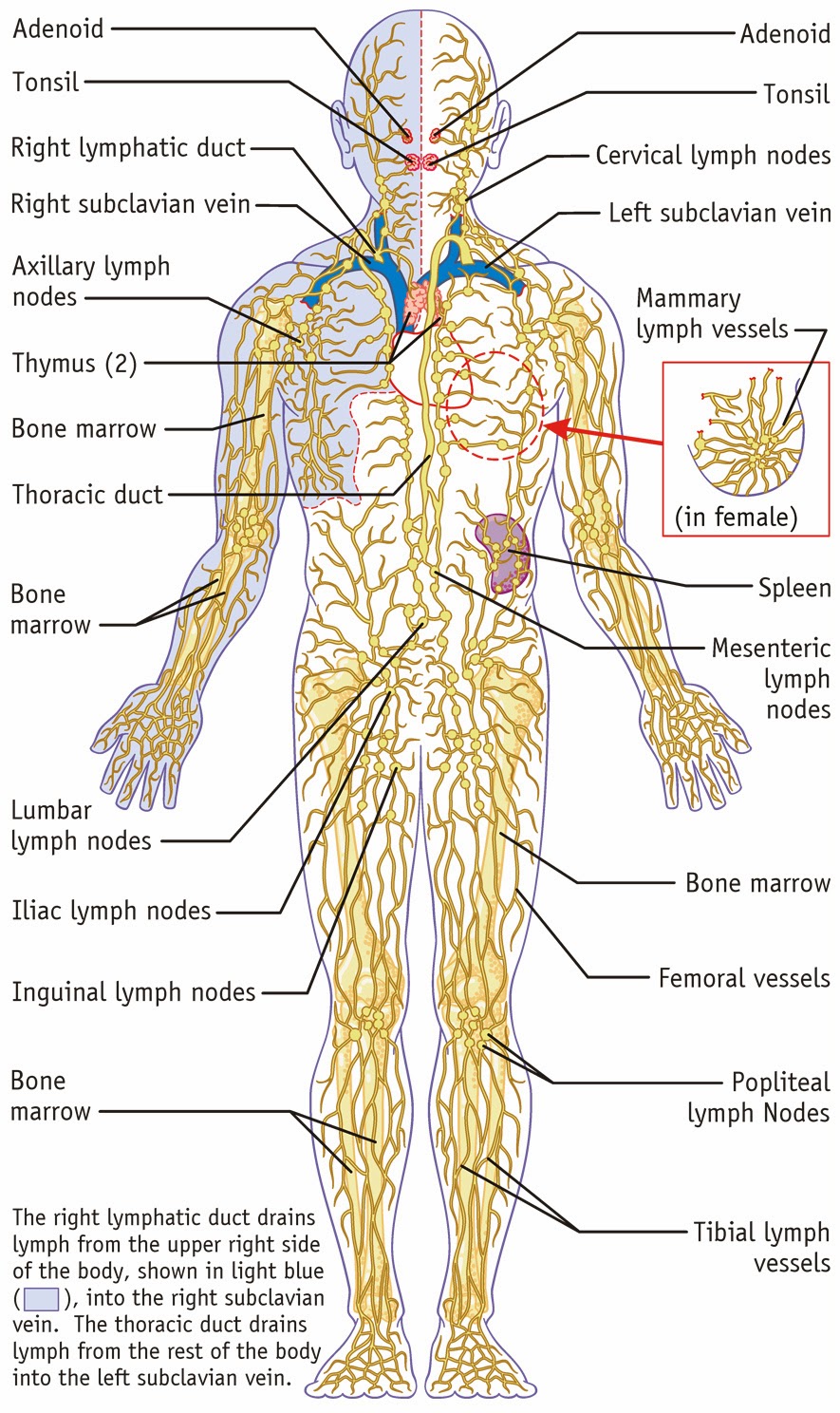
The lymphatic system works like a highway for fluids in your body. It moves fluid through vessels and filters out harmful substances using lymph nodes. If these nodes are damaged or removed, or if the vessels are blocked, fluid can accumulate. Sometimes, there’s no clear reason for the swelling. But it’s often linked to treatments like surgery or radiation for breast cancer.
Who Is at Risk?

People who have had surgery to remove lymph nodes, especially for breast cancer, are at higher risk. Other factors include being overweight, aging, or having conditions like rheumatoid arthritis or psoriatic arthritis. Traveling to tropical areas where infections are more common can also increase the risk. In rare cases, genetic disorders can affect the development of the lymphatic system.
Preventing Lymphedema

After surgery or radiation, it’s important to take care of the affected area. Keep the limb elevated, avoid tight clothing, and don’t apply ice or heat. If you notice any swelling or other symptoms, talk to your doctor early. Early intervention can make a big difference in managing the condition.
Diagnosing Lymphedema

Doctors will check for other causes of swelling, like infections or blood clots. They’ll measure the swollen area and compare it to the unaffected side. Tests like MRI or lymphoscintigraphy—where a special dye is used to track fluid movement—can help determine the severity. Lymphedema is graded on a scale from 1 to 4 or staged from I to III.
Managing Lymphedema
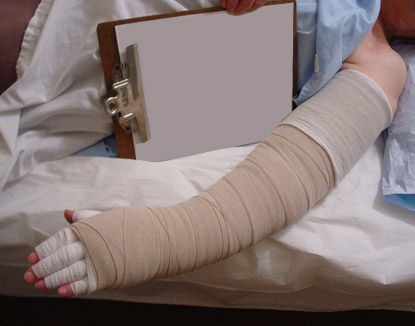
While there’s no cure, there are ways to control the swelling. Keeping a healthy weight can help, but diuretics (water pills) usually don’t work. Specialized therapists can teach you how to manage the condition. In severe cases, surgery might be needed to reduce swelling. Early stages may even resolve without treatment.
Compression Bandages and Garments
Compression bandages are used to apply pressure to the affected area, helping fluid drain and preventing it from building up again. These are applied in layers, starting tightest near the fingers or toes and loosening as they move up the limb. A therapist can show you how to do this properly.
Exercise and Movement
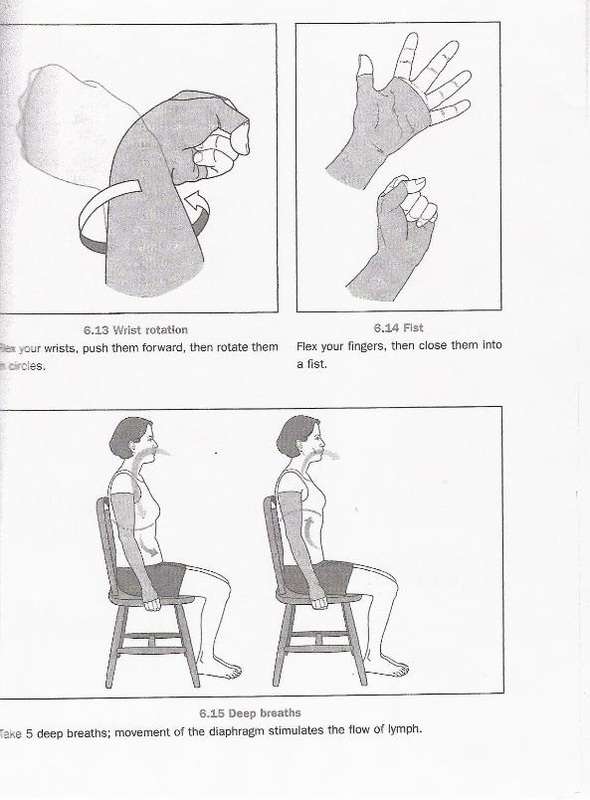
Gentle exercises that encourage muscle movement can help fluid drain from the affected limb. Activities that get your heart pumping can also reduce swelling. It’s important to consult a lymphedema specialist to find the right type of exercise for your condition.
Manual Lymph Drainage

This is a specific type of massage that helps move fluid away from the swollen area. It’s done by a trained professional using light strokes and movements. You can also learn to do it yourself with guidance from a specialist.
Compression Devices

Some therapists use machines that resemble blood pressure cuffs to help move lymph fluid. These devices use air-filled chambers to gently squeeze the limb, encouraging fluid to flow back toward the body. They’re often used in combination with other treatments.
Avoiding Infections

Because lymphedema traps fluid in the tissues, it can become a breeding ground for bacteria. To prevent infections, avoid cuts, burns, and scratches on the affected area. If you notice redness, a rash, or worsening pain, contact your doctor immediately.
Resources and Support
For more information, check out resources from the Cleveland Clinic, BreastCancer.org, Mayo Clinic, and the National Lymphedema Network. These organizations offer detailed guides and support for those living with lymphedema.


