


Understanding Breast Cancer in the United States
Breast cancer is a significant health issue in the United States, affecting millions of people each year. It’s important to understand the different aspects of this disease, from its causes and risks to the latest treatments and support systems available.
Key Risk Factors and Prevention Strategies

In the U.S., several factors contribute to the risk of developing breast cancer. These include age, family history, genetic mutations, and lifestyle choices. While some risk factors are out of our control, others can be managed through healthy habits and regular screenings.
Diagnosis and Screening Methods
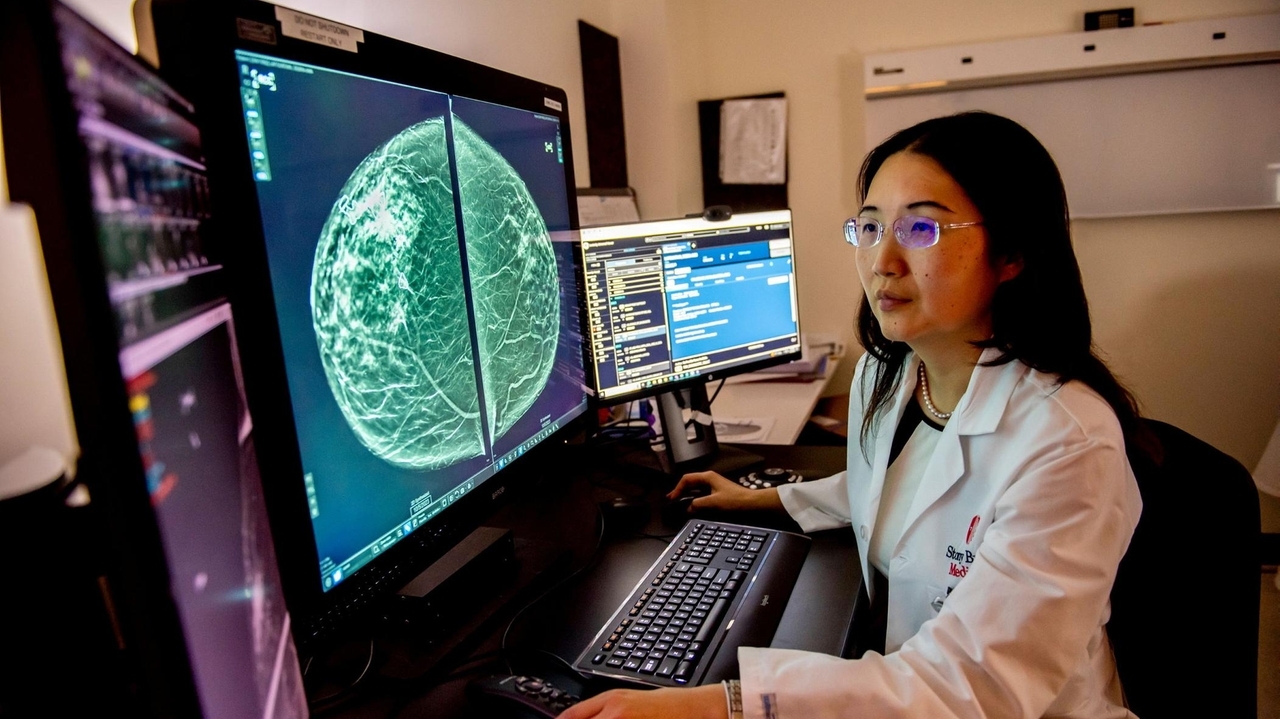
Early detection is crucial in the fight against breast cancer. Regular mammograms, clinical breast exams, and self-examinations play a vital role in identifying the disease at an early stage. The U.S. has made significant strides in improving access to these screening tools, but disparities still exist, particularly among minority populations.
Types of Breast Cancer and Treatment Options

There are several types of breast cancer, each with its own characteristics and treatment approaches. Common types include hormone receptor-positive (HR+), HER2-positive, and triple-negative breast cancer. Treatments may involve surgery, radiation, chemotherapy, hormone therapy, and targeted therapies.
Advances in Treatment and Research

Recent advancements in medical research have led to more personalized and effective treatments for breast cancer. Targeted therapies, such as CDK4/6 inhibitors, have shown promise in treating specific types of breast cancer. Clinical trials continue to play a critical role in developing new and improved treatment options.
Living with Breast Cancer

For those living with breast cancer, the journey can be both physically and emotionally challenging. Support systems, including counseling, support groups, and financial assistance programs, are essential in helping patients navigate their treatment and recovery.
Addressing Disparities in Care

Disparities in breast cancer care and outcomes persist, particularly among Black women and other minority groups. Efforts are being made to address these gaps through education, increased access to care, and community-based initiatives aimed at promoting early detection and treatment.
The Role of Lifestyle and Nutrition

Maintaining a healthy lifestyle can significantly impact breast cancer outcomes. A balanced diet, regular exercise, and stress management are all important components of a comprehensive approach to managing the disease.
Future Directions and Hope
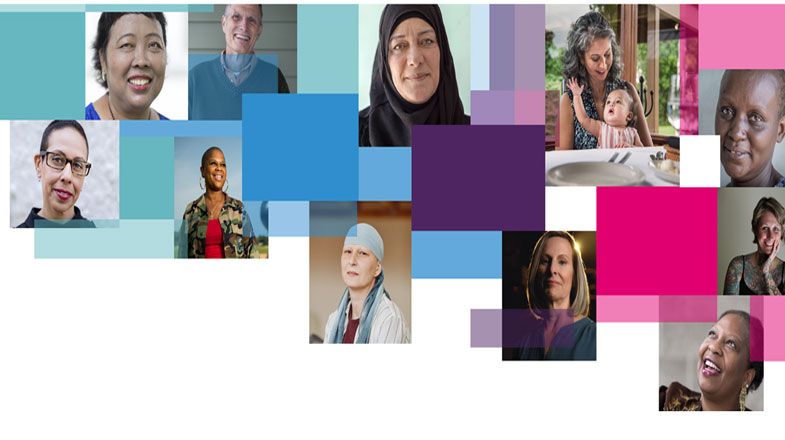
As research continues to advance, the future looks promising for those affected by breast cancer. Innovations in treatment, increased awareness, and ongoing efforts to reduce disparities offer hope for better outcomes and improved quality of life for patients across the United States.


