

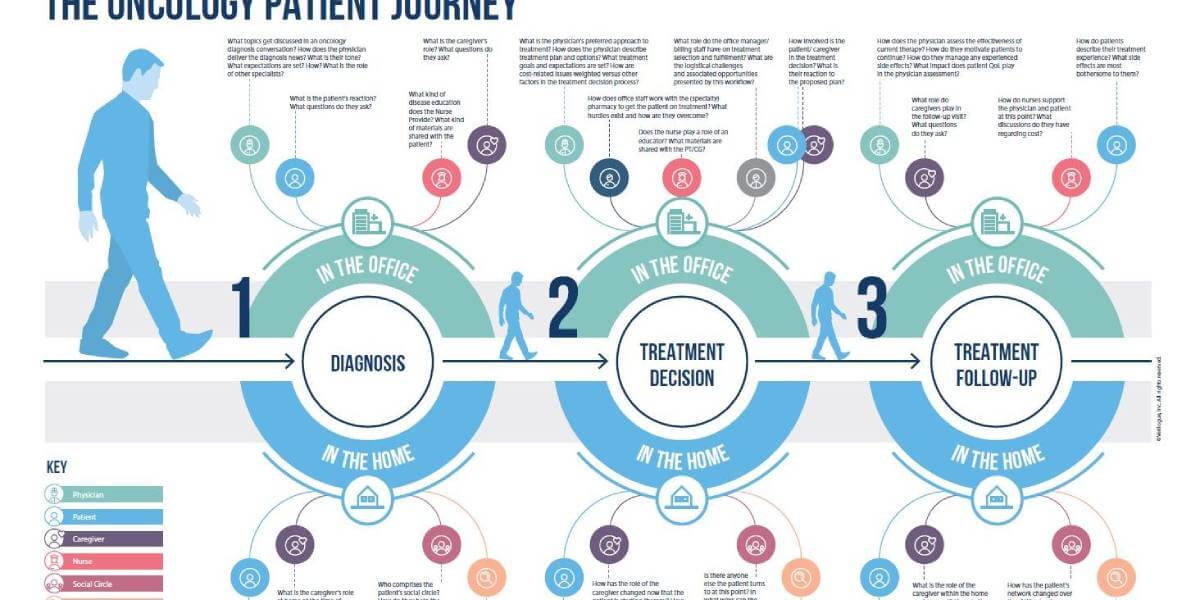
Understanding the Emotional Journey of a Cancer Diagnosis
Cancer is more than just a medical condition—it’s an emotional rollercoaster. From the moment a diagnosis is made, people often find themselves navigating a complex mix of feelings. Fear, sadness, anger, and even hope can all show up in unexpected ways. It’s important to remember that there’s no right or wrong way to feel during this time.
Common Emotional Responses
When someone receives a cancer diagnosis, it’s natural to experience a wide range of emotions. These can include:
- Fear and anxiety: The uncertainty of what comes next can be overwhelming.
- Sadness and depression: Dealing with the potential loss of health or life can lead to deep sadness.
- Loneliness: Even with support from loved ones, it can feel like no one truly understands what you’re going through.
- Anger: Frustration about how your life has changed is completely valid.
- Guilt and regret: Many people feel guilty about how their diagnosis affects others or about past choices.
- Resentment: It’s common to feel angry about why this is happening to you.
- Grief: Grief is not just for death—it can also come from the loss of a sense of normalcy.
These emotions are all part of the process, and it’s okay to feel them. There’s no need to rush through them or suppress them.
Coping Mechanisms
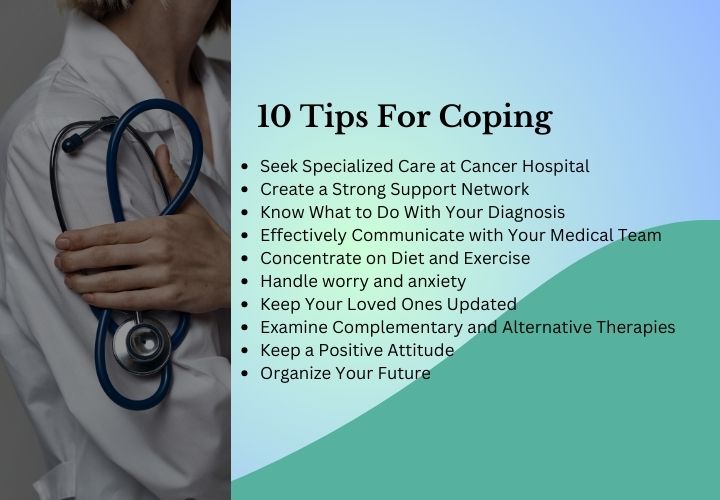
Dealing with cancer requires more than just medical treatment—it also involves finding healthy ways to cope. Some people use positive strategies, while others may fall into negative patterns. Here are some examples of both:
Positive coping mechanisms:
– Social support: Connecting with friends, family, or others who have similar experiences.
– Mindfulness and meditation: Practicing techniques that help manage stress and stay present.
– Spirituality: Finding comfort in faith or personal beliefs.
– Journaling: Writing down thoughts and feelings to process them.
Negative coping mechanisms:
– Avoidance: Avoiding important tasks or appointments because they bring up difficult emotions.
– Isolation: Pulling away from others to avoid dealing with the reality of the situation.
– Substance misuse: Turning to drugs or alcohol as a way to escape.
It’s important to recognize which coping strategies are helping and which might be causing more harm. A healthcare provider or therapist can offer guidance on developing healthier habits.
Tips for Healthy Coping
Here are some practical tips for managing the emotional challenges of a cancer diagnosis:
- Be patient with yourself: Emotions can change quickly, and it’s okay to have bad days.
- Seek joy: Find things that make you happy, whether it’s a hobby, a movie, or time with loved ones.
- Take control where possible: Staying on top of treatments and making healthy lifestyle choices can give a sense of empowerment.
- Express your feelings: Whether through talking, writing, or art, sharing your emotions can help you process them.
- Accept help: Letting others support you doesn’t mean you’re weak—it means you’re human.
What Acceptance Looks Like

Acceptance doesn’t mean giving up. It means acknowledging the reality of your situation while still taking steps to live the best life you can. Research shows that acceptance can reduce emotional distress and improve quality of life. It’s about finding a balance between facing the challenges of cancer and maintaining hope for the future.
Tips for Family Members

Supporting a loved one with cancer can be emotionally taxing. Here are some ways to help:
- Offer help but respect boundaries: Be there when needed, but don’t push if they’re not ready.
- Listen without judgment: Sometimes, just being heard is enough.
- Encourage positivity without false hope: Stay hopeful, but don’t ignore the reality of the situation.
- Celebrate small victories: Recognize progress, even if it’s not related to treatment.
- Take care of yourself: Supporting someone else can be draining—make sure you’re also looking after your own well-being.
Takeaway
The emotional journey of a cancer diagnosis is unique for everyone. There’s no single path, and it’s okay to feel a mix of emotions. By being kind to yourself, expressing your feelings, and seeking support, you can navigate this challenging time with more strength and resilience.


