


Living with breast cancer can feel overwhelming, but there are ways to take control and find support during this journey. From making informed decisions about your treatment to connecting with others who understand what you’re going through, small steps can make a big difference in your well-being.
Embracing Active Participation in Your Care
One of the most empowering things you can do is to educate yourself about your treatment options. Learning as much as you can about your diagnosis and asking questions can help you feel more in control. It’s not about being a medical expert, but rather about being an informed partner in your own care. This might include understanding the different therapies available, knowing what to expect during treatment, and being aware of potential side effects.
The Power of Support Groups

Support groups offer more than just a place to share experiences—they provide a sense of community and understanding that can be incredibly comforting. People in these groups have walked similar paths and can offer practical advice, emotional support, and encouragement. Whether it’s discussing treatment challenges or simply talking about daily life, these connections can help you feel less alone.
Planning for Life After Treatment

Once treatment is over, having something to look forward to can be a powerful motivator. This could mean setting personal goals, reconnecting with hobbies, or planning a trip. Having a vision for the future can help you maintain a positive outlook and give you something to work toward as you continue to recover.
Finding Resources and Tools

Hospitals and community organizations often have a wealth of resources to help you navigate life with breast cancer. These can include nutrition guides, exercise programs, and relaxation techniques to help manage stress. Taking advantage of these tools can improve your quality of life and help you stay focused on your health.
Building Stronger Relationships

Breast cancer doesn’t just affect the person diagnosed—it impacts families and friends as well. Open communication, patience, and understanding are key to maintaining strong relationships during this time. Learning how to express your needs and listen to others can help everyone involved feel supported and connected.
Supporting Someone You Love

If someone close to you has been diagnosed with breast cancer, it’s natural to feel helpless. But there are many ways to make a difference. Offering practical help, such as cooking meals or running errands, can ease their burden. Emotional support is also crucial—just being there to listen or share in their feelings can mean a lot.
Making the Most of Your Energy

Dealing with breast cancer can be physically and emotionally draining. Learning how to conserve energy, prioritize tasks, and take breaks when needed can help you manage your daily life more effectively. Small changes, like taking short walks or practicing mindfulness, can make a big impact on your overall well-being.
Eating for Health and Recovery
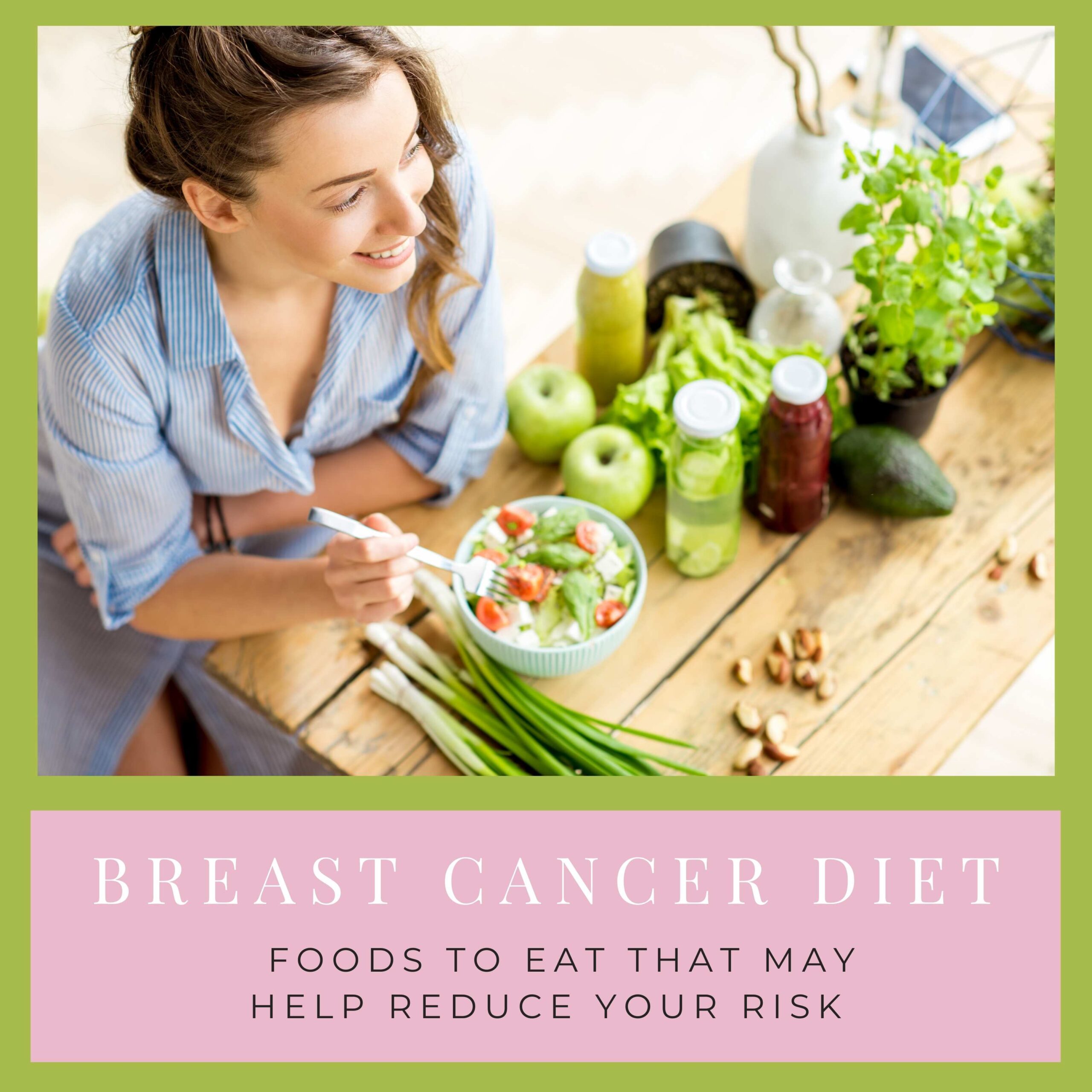
A balanced diet rich in cancer-fighting foods can play a role in both recovery and prevention. Incorporating fruits, vegetables, whole grains, and lean proteins into your meals can help boost your immune system and support your body during treatment. Working with a nutritionist can also provide personalized guidance to meet your specific needs.
Staying Connected and Positive

Maintaining a positive mindset can be challenging, but it’s an important part of the healing process. Engaging in activities you enjoy, staying connected with friends and family, and seeking out mental health resources can all contribute to a more balanced and hopeful outlook.


