The Walking Corpse Syndrome Convinces People They’re The Living Dead
A Rare Mental Disorder That Makes People Believe They’re Dead
inidevan com There’s a strange mental condition called the Cotard delusion, also known as the Walking Corpse Syndrome. It’s so rare that most people have never heard of it, but for those who experience it, it can be absolutely terrifying. People with this disorder start to believe they’re dead—literally. They might think their organs are rotting, or that they don’t even exist anymore. It’s like living in a horror movie where you’re the main character, but you don’t realize you’re already dead.
The History of This Bizarre Delusion

This condition was first named after a French neurologist named Jules Cotard in 1880. He wrote about a woman who believed she had no brain, no nerves, and no stomach. She thought she was a walking, decaying corpse. But the idea of someone thinking they’re dead wasn’t new. A century earlier, a French writer named Charles Bonnet wrote about a woman who had a neck injury and later started believing she was dead. She even got dressed up like a corpse to prove it.
What Causes This Delusion?

Scientists think the Cotard delusion is caused by problems in certain parts of the brain. The fusiform gyrus helps us recognize faces, and the amygdala helps us feel emotions. When these areas don’t work right, people might lose the ability to recognize themselves or feel connected to the world around them. This can lead to a feeling of being disconnected from reality, which is called derealization.
How People Live With This Condition
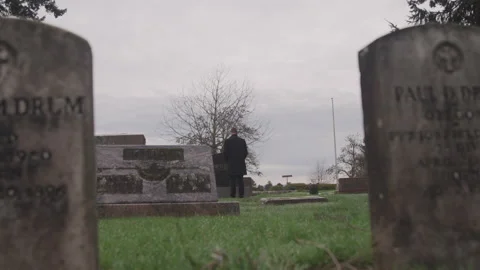
Some people with the Cotard delusion stop eating, speaking, or doing anything because they think they’re already dead. One man named Graham told a reporter that he spent time in a graveyard because it felt closest to death. He didn’t need to eat or talk, and he thought his brain was already dead.
Treatments and Hope
Doctors usually treat the Cotard delusion with medication, like antidepressants or antipsychotics. In some cases, electroconvulsive therapy (ECT) is used if the person is severely depressed. While it’s a rare condition, understanding it better could help scientists learn more about how the brain works and what happens when it starts to break down.