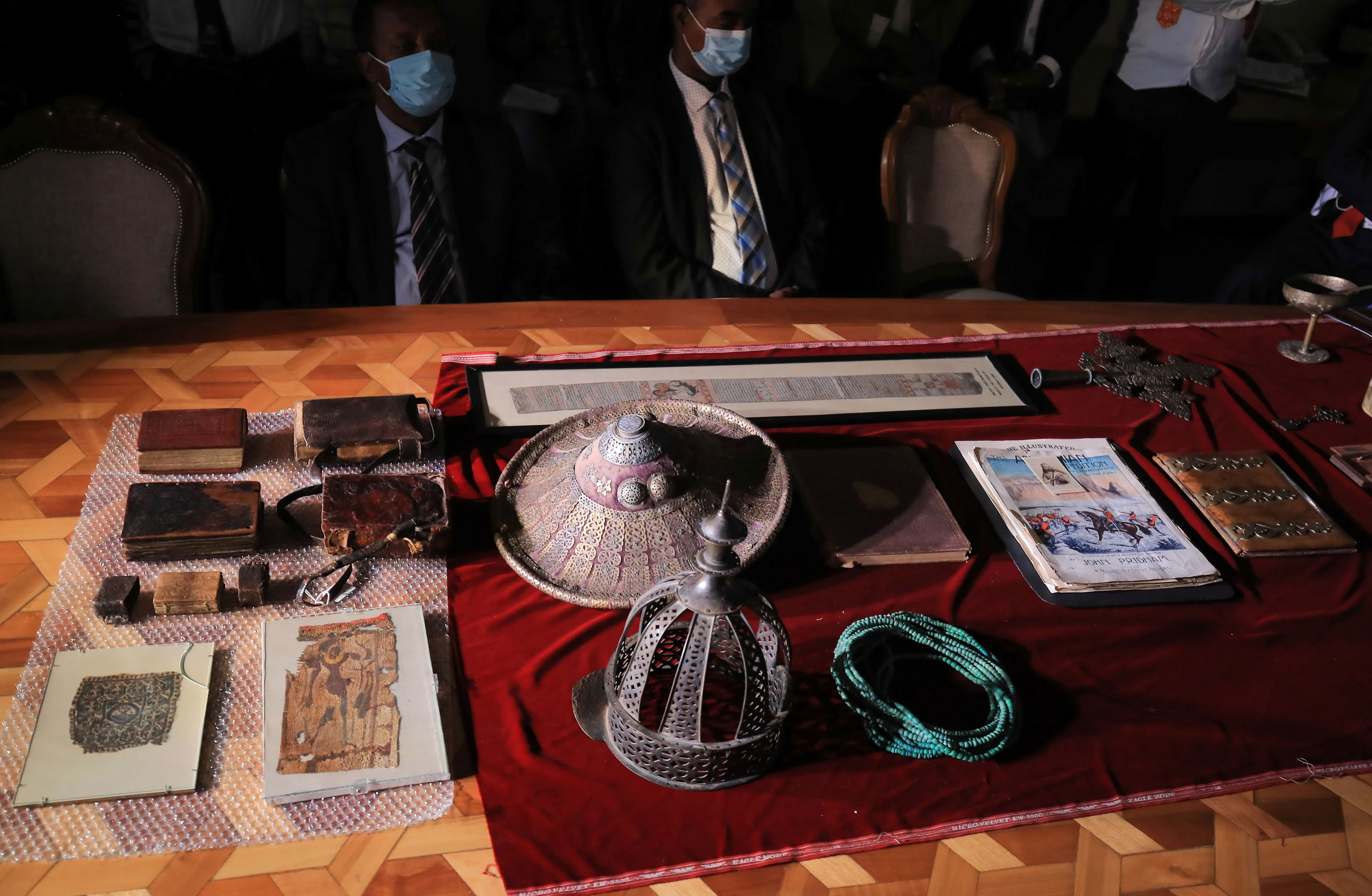
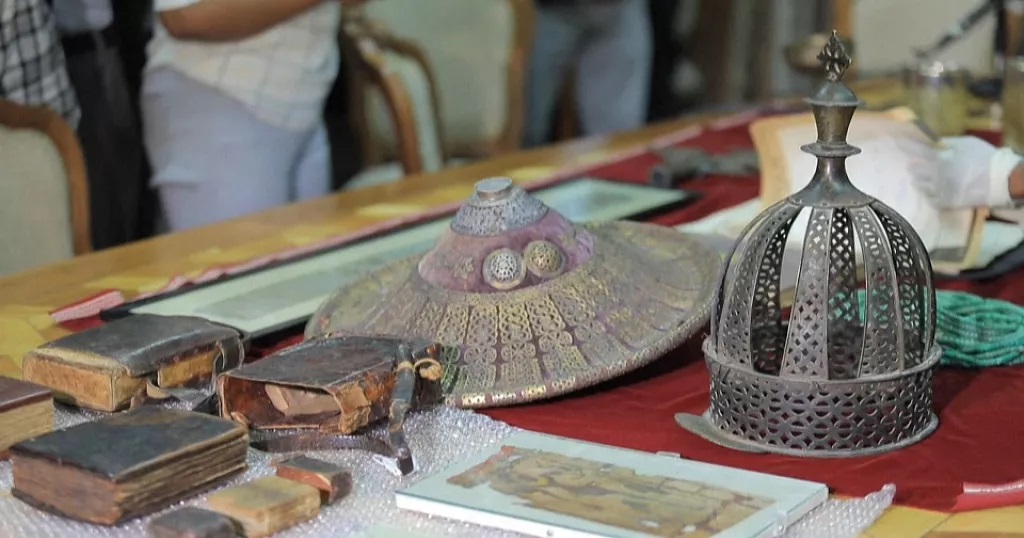
Addis Ababa, December 18, 2025 — Ethiopia’s ongoing efforts to recover its scattered cultural treasures have seen a significant boost with the recent return of a historic shield from the Royal Ethiopian Trust. This development was highlighted by Alula Pankhurst, a renowned historian and sociologist, who emphasized the importance of this milestone in the broader campaign for cultural restitution.
The country has intensified its global efforts to repatriate cultural artifacts that were taken during the 1868 Maqdala campaign and through other illicit means. Alula, who teaches history and sociology at Addis Ababa University, described this recovery as a major turning point, regarded by heritage advocates as both symbolic and practical in the long-standing fight for restitution.
One of the key factors contributing to this progress is the strengthened collaboration between Ethiopia and institutional and civil society partners in the United Kingdom and Italy. The growing dialogue and coordinated actions are replacing previous resistance and delays, allowing for the opening of collections, tracing of provenance, and clearer pathways for the return of artifacts.
The campaign focuses on major collections seized during the 1868 Maqdala campaign, the Italian occupation, and decades of illicit trafficking. These efforts are concentrated on repositories in Britain, Italy, Europe, and North America. The renewed drive is led by the Association for the Return of Maqdala Ethiopian Treasures (AFROMET), which works closely with national heritage institutions and government agencies.
Alula described the effort as a “sustained and multifaceted campaign,” highlighting the coordinated involvement of government bodies, international organizations, and committed individuals. He noted that these initiatives aim to consolidate and celebrate Ethiopia’s rich historical and artistic legacy within its borders, providing invaluable resources for national pride, education, and tourism.
The Institute of Ethiopian Studies (IES) plays a central role in the movement. As home to the world’s largest collection of Ethiopian ethnographic and religious artifacts, the IES collaborates closely with the National Museum to safeguard the nation’s heritage.
According to Alula, the government’s restitution drive is increasingly tied to economic development. The active role of the Minister of Tourism reflects this shift, framing returned cultural artifacts as vital assets for national growth. Recent achievements underscore this progress, with the government showing a stronger commitment to the cause.
He also emphasized that the reclaimed treasures have been strengthened by forming partnerships in the UK, Italy, Europe, and North America, resulting in a rise in private donors motivated by what they call an “ethical imperative” to restore cultural items to their rightful homeland.
For Alula, this mission is deeply personal and intergenerational. His grandmother defended Ethiopia during the Italian invasion, and his father was a founding advocate of AFROMET. He continues the work today through the National Heritage Restitution Committee and the Society of Friends of the IES.
Despite recent gains, Alula cautions that the journey is far from over. “A rich heritage of Ethiopian artifacts remains abroad, underscoring the necessity for continued and expanded initiatives,” he said, envisioning a future where Ethiopia presents a full and authentic account of its history to the world.
The country has been working intensively to return its various artifacts looted in 1868, during the reign of Emperor Tewodros II following the battle of Maqdala in northern Ethiopia.