3D printing is turning the gory process of mounting animal skulls into something that’s a little cleaner, a little easier, and a whole lot less disturbing.
These 3D-printed skulls are made with PLA (Polylactic acid) filament.
Hunting enthusiasts and some companies are using 3D printing to create fake skulls that can hold real antlers or horns. Once printed, hunters can slip their actual antlers into pre-made holes on the skull. The result looks almost like the real thing, but without the need for hours of cleaning or paying a taxidermist. It also gives shed hunters—people who collect naturally fallen antlers—a way to display them without killing an animal.
Bucks N Bull Skulls, a company based in Utah, sells 3D-printed deer, elk, and caribou skulls for between $50 and $150. Founder Shawn Sanchez, who’s been hunting for years, starts by scanning real animal skulls using an iPhone app. He takes hundreds of photos, which are then turned into a 3D model. Printing a deer skull usually takes around 12 to 15 hours, while an elk skull can take up to 50 hours.

Sanchez works with artist and 3D designer Daniel Smith to add details that make the skulls look more realistic. After printing, the skulls go through stress tests to make sure they can hold the weight of antlers without breaking. The company even shares its digital files so customers can print their own if they have a 3D printer.
Sanchez used to work in the automotive industry, but after back surgery, he picked up 3D printing as a way to stay busy. He found Dan online and the two started working together. Since then, Sanchez has become a big fan of the 3D-printing community.
“I really think that if more people knew about the technology and how user-friendly it is, more people would have this in their home literally sitting there waiting to create whatever it is that they possibly need,” he said. “There’s so much that can be done with it.”
The traditional way of mounting a skull involves boiling, water pressure, or beetles. All of these methods are time-consuming and messy. Boiling a skull in soapy water can take hours, and you have to scrape away meat with a coat hanger. Using a high-pressure water gun is faster, but it can damage the skull. Beetles are another option, but they require a steady supply of rotting flesh and can be hard to maintain.
Professional taxidermists can do the job, but it costs money and takes time. Plus, most of the skulls here are considered “European” mounts, which don’t include fur or facial features. More realistic mounts require a taxidermist’s touch and a lot more money.
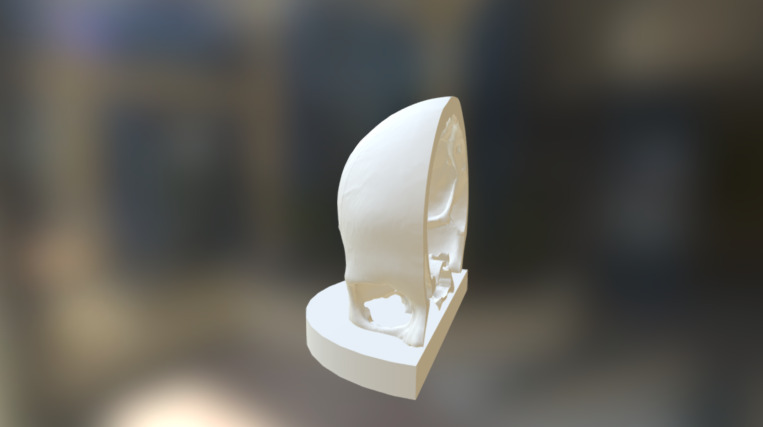
One of the biggest benefits of 3D-printed skulls is that they don’t yellow or get brittle over time like real bones. They also don’t require any special handling during transport. Taxidermists are interested in the process too, especially for making copies of molds for customers who want multiple versions of the same mount.
But maybe the coolest part is that 3D-printed skulls make European-style mounts accessible to people who aren’t even hunters. Shed hunters can collect antlers that animals naturally lose each year and pair them with a printed skull for a great display without ever needing to kill an animal.
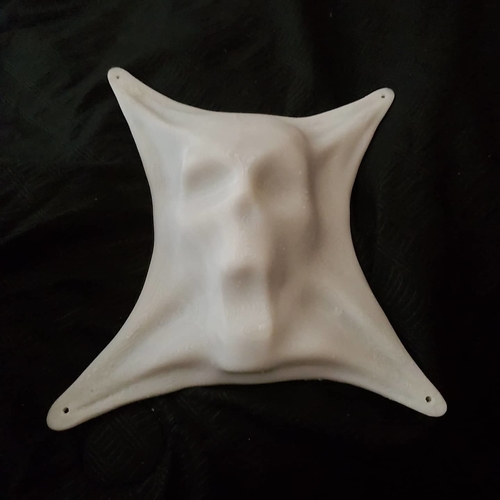
Bucks N Bull Skulls isn’t the only one doing this. There are also hobbyists on Reddit and 3D-printing forums sharing their own designs. Some even post their files online so others can download and print them.
While some might worry that offering free files could hurt sales, Sanchez thinks most people will still prefer to buy from him because of the convenience and quality.
“For me it’s possible that it could take away from the business, but most likely not because there’s always going to be someone who’s going to say, ‘I don’t want to have to deal with this,’” he said.
3D printing is making it easier, cleaner, and more efficient to mount animal skulls. Whether you’re a hunter, a shed collector, or just someone who likes cool DIY projects, this tech is changing the game.