Kyoto’s Sacred Treasures: 11 Must-Visit Temples and Shrines
Kyoto, a city steeped in history and spirituality, is home to an extraordinary collection of temples and shrines that reflect the depth of Japan’s cultural heritage. From golden pavilions to serene gardens, these sacred sites offer a glimpse into the country’s religious traditions and architectural brilliance. Whether you’re a first-time visitor or a seasoned traveler, exploring Kyoto’s spiritual landmarks is an unforgettable journey.
1. Kinkaku-ji – The Golden Pavilion
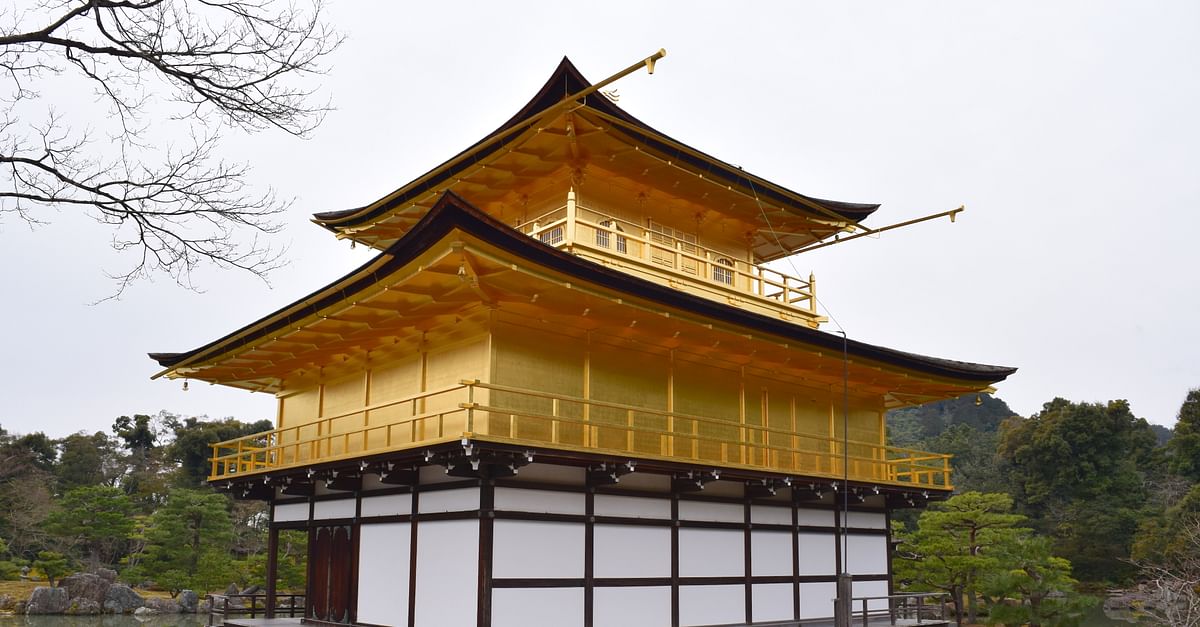
Kinkaku-ji, or the Temple of the Golden Pavilion, is one of Kyoto’s most iconic sights. Its shimmering gold leaf-covered structure reflects beautifully on the still waters of the surrounding pond, creating a scene that has inspired countless artists and travelers. Originally built as a villa for a 14th-century shōgun, it was later converted into a Zen temple. The temple’s name, Rokuon-ji, comes from the shōgun’s posthumous Buddhist name, while “Kinkaku” refers to the golden pavilion itself.
2. Kiyomizu-dera – The Temple of the Waterfall

Perched on a hillside, Kiyomizu-dera is renowned for its stunning wooden veranda that offers panoramic views of Kyoto. This UNESCO World Heritage site dates back over 1,200 years and is known for its beautiful Buddhist art collections and a shrine dedicated to love and luck. Visitors often arrive at the Niō-mon gate, a vibrant red two-story structure that serves as a gateway to the temple’s main hall.
3. Nanzen-ji – A Zen Garden Paradise

Nanzen-ji is a sprawling Zen temple complex that once served as a retirement villa for Emperor Kameyama. Today, it is famous for its expansive grounds and the Leaping Tiger Garden, a peaceful space filled with carefully arranged rocks and moss. The temple is part of the Rinzai sect of Zen Buddhism and is a great place to experience the tranquility of Japanese garden design.
4. Tenryū-ji – A Zen Masterpiece

Located in the Arashiyama district, Tenryū-ji is a UNESCO World Heritage site known for its exquisite Zen garden. The temple was founded in the 14th century and features a landscape garden that changes with the seasons, from cherry blossoms in spring to fiery maples in autumn. It is one of Kyoto’s leading Zen temples and a must-visit for those interested in traditional Japanese aesthetics.
5. Sanjūsangen-dō – The Temple of 1001 Kannon

Sanjūsangen-dō is a remarkable temple that houses 1,001 statues of Kannon, the Buddhist goddess of mercy. The temple’s long wooden hall, which stretches over 120 meters, is a marvel of craftsmanship. At the center of the hall stands a massive 1000-armed statue of Senju-Kannon, surrounded by smaller statues that create a breathtaking visual spectacle.
6. Ginkaku-ji – The Silver Pavilion

Ginkaku-ji, or the Temple of the Silver Pavilion, is a serene retreat known for its elegant sand gardens and moss-covered ponds. Though it was never actually adorned with silver, the temple’s minimalist design and tranquil atmosphere make it a standout among Kyoto’s temples. Built by shōgun Ashikaga Yoshimasa, it played a significant role in the development of Higashiyama Culture.
7. Chion-in – The Heart of Jōdo Buddhism

Chion-in is the head temple of the Jōdo school of Buddhism, the largest Buddhist sect in Japan. Located on a hillside, the temple features grand buildings and attractive courtyards that reflect its historical significance. Founded by the monk Hōnen, who introduced the concept of salvation through faith in Amida Buddha, Chion-in remains a spiritual hub for millions of followers.
8. Daitoku-ji – A Hidden Zen Sanctuary
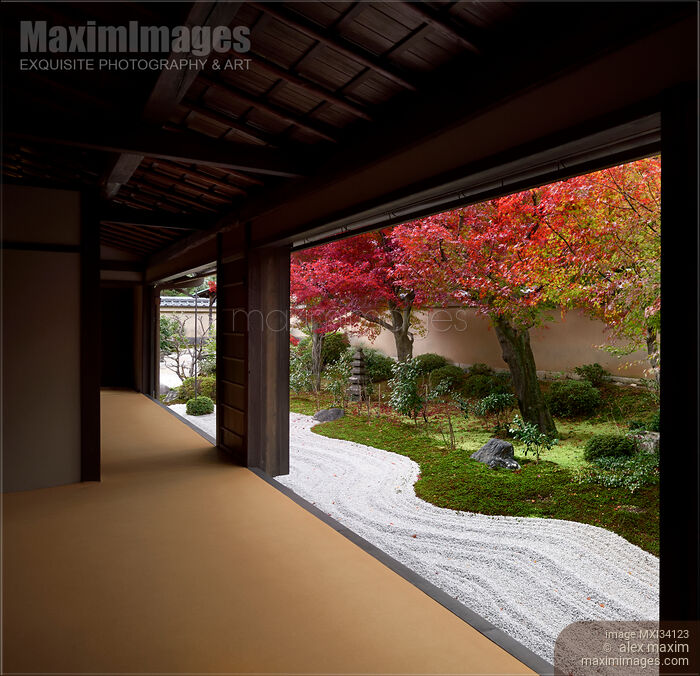
Daitoku-ji is a secluded Zen temple located near the Imperial Palace. Its walled complex includes sculpted landscapes, rock gardens, and exquisite Zen architecture. As the head temple of the Rinzai sect, it offers a peaceful escape from the city’s hustle and bustle. While the main buildings are not usually open to the public, several sub-temples within the complex are worth exploring.
9. Fushimi Inari-Taisha – The Shrine of Thousands of Torii Gates

Fushimi Inari-Taisha is one of Kyoto’s most famous shrines, known for its thousands of bright red torii gates that form a winding path up a mountain. Dedicated to Inari, the Shintō god of rice and prosperity, the shrine is a spiritual and cultural landmark. Visitors can walk through the gates, symbolizing the transition from the physical to the spiritual world, and enjoy the scenic trails that lead to the summit.
10. Heian-jingū – A Modern Shrine with Historic Roots

Heian-jingū, built in 1895 to commemorate Kyoto’s 1100th anniversary, is a relatively new addition to the city’s shrine landscape. Its towering Grand Torii is one of the tallest in Japan, and the shrine’s vermilion-colored buildings reflect the style of Kyoto’s original Imperial Palace. The surrounding gardens, divided into four distinct sections, showcase traditional Japanese landscaping techniques.
11. Shimogamo-jinja – An Ancient Shintō Shrine
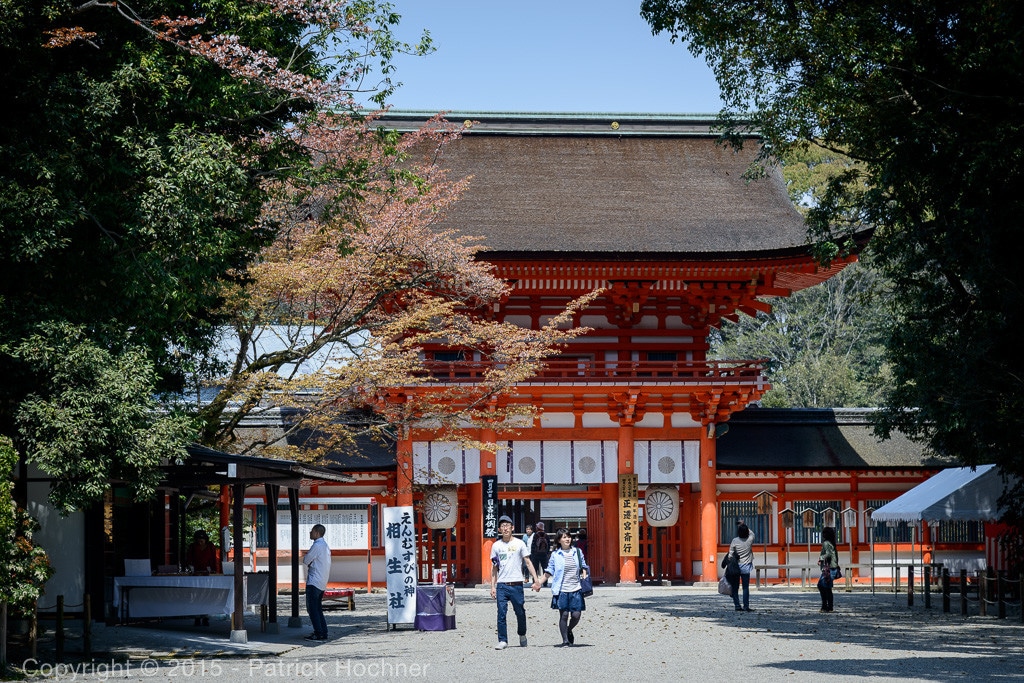
Shimogamo-jinja, a UNESCO World Heritage site, is one of Japan’s oldest shrines, dating back to the 7th century. Nestled near the confluence of two rivers, it is approached through the Tadasu-no-mori forest, where ancient trees stand as silent witnesses to history. The shrine is known for its unique features, including a small shrine dedicated to rugby and a stream where visitors can purify themselves during the summer months.
Tips for Visiting Kyoto’s Temples and Shrines

When visiting Kyoto’s temples and shrines, it’s important to follow local customs and etiquette. Most temples require visitors to remove their shoes before entering the main hall. Photography is generally not allowed indoors, and visitors to shrines should rinse their hands and mouth at the chōzuya basin before offering a coin to the shrine. Bowing twice, clapping twice, and bowing again is a common practice before entering the main hall.
Best Time to Visit
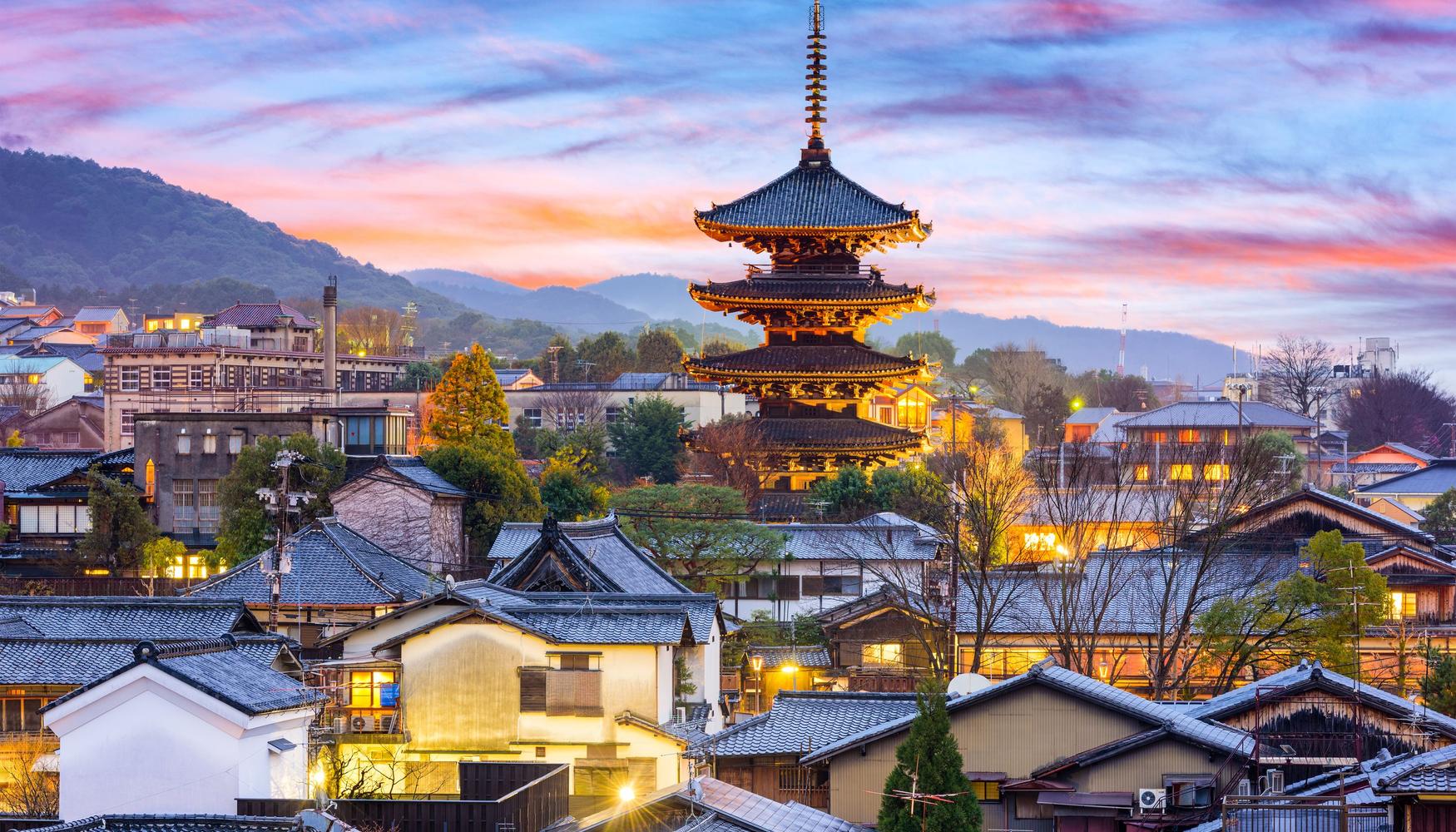
Most shrines are open 24 hours a day, while temples typically open from around 9am to 5pm. However, opening hours may vary by season, with shorter hours in winter and longer hours in summer. To avoid crowds, it’s best to visit early in the morning or late in the afternoon.
Getting Around Kyoto
Kyoto is easy to navigate, with a well-developed public transportation system and mostly flat streets. Biking and walking are popular ways to explore the city, allowing visitors to discover hidden gems and enjoy the scenic beauty of Kyoto’s neighborhoods.